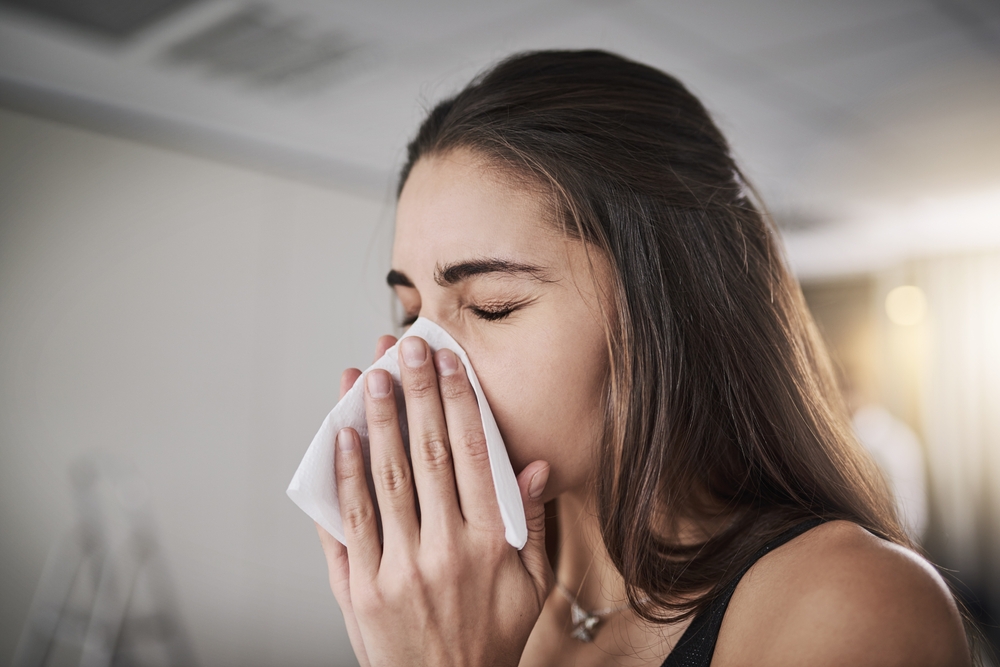
The cold, dry winter air and sore throats go hand in hand, much like peanut butter and jelly, cookies and milk, or salt and pepper. You probably know many people struggling with a sore throat this time of year. Let’s discover how to prevent winter sore throats exacerbated by cold air.
What causes sore throats in the winter?
Dryness from the heat in your home and car. Combat this by running a humidifier in your bedroom and other living spaces.
Dehydration. It’s essential to maintain the same level of hydration in winter as we do during the summer months. Dehydration can lead to reduced saliva production, leaving the esophagus and mouth inadequately moistened.
Sleeping with an open mouth can result in dryness of the throat and mouth. This can be an indication of obstructive sleep apnea, a potentially serious sleep disorder characterized by repetitive interruptions and restarts in breathing. If you experience loud snoring and persistent fatigue despite a full night’s sleep, seek evaluation from an ENT specialist.
Common winter illnesses, such as the cold, flu, strep throat, and mono, tend to be more prevalent. Viruses thrive in cold, dry air. Additional symptoms like a cough, runny nose, and hoarse voice may also accompany these illnesses.
Winter allergies from spending more time indoors. Exposure to allergens like pet dander, dust mites, and mold can result in symptoms such as a sore throat, stuffy nose, watery and itchy eyes, and postnasal drip.
How to prevent and relieve winter sore throats
In addition to staying well-hydrated, find relief for a scratchy throat by:
- Indulging in tea with honey and lemon.
- Practice frequent handwashing and resist touching your face.
- Quit smoking to alleviate throat irritation.
- Gargle with salt water.
- Savor the warmth and health benefits of chicken soup.
- Incorporate vitamin C into your supplements.
- Ensure ample rest.
- Consider over-the-counter medications like acetaminophen or ibuprofen.
While it’s challenging to escape a sore throat in a cold climate, taking precautions and seeking soothing measures can make a difference.
If your sore throat has lasted longer than a few days and you have a fever, we encourage you to find an ENT specialist near you for evaluation.