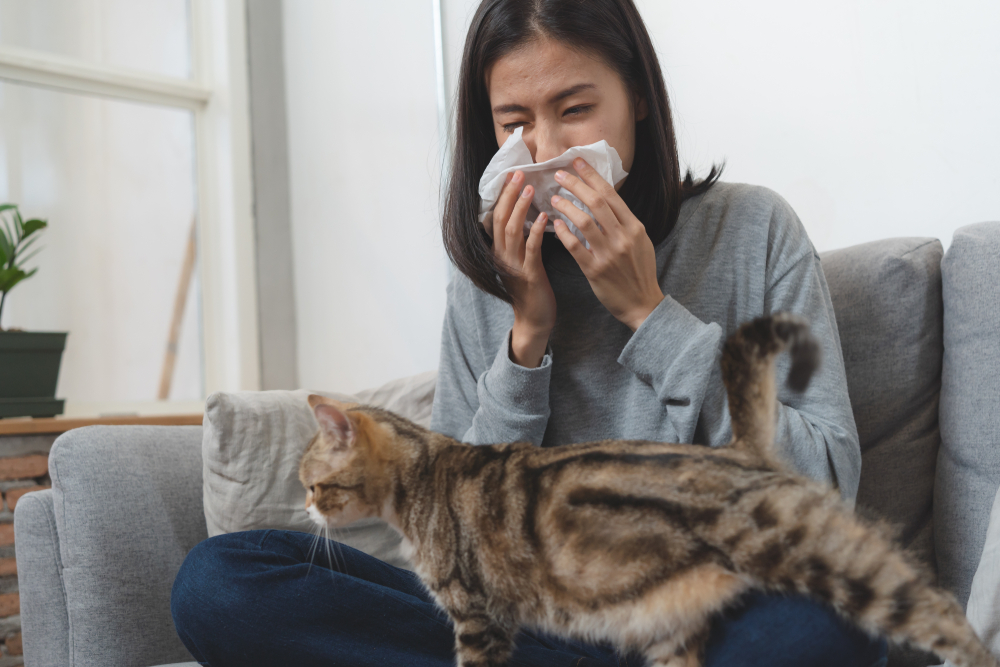
While our furry companions bring immense joy into our lives, for some, they also usher in the unwelcome guest of allergies. Understanding how to manage pet allergies can significantly enhance your quality of life alongside your beloved pets. Here’s a comprehensive guide to navigating the realm of pet allergies.
What are allergies?
An allergy signifies your body’s hypersensitive response to environmental stimuli. In the case of pet allergies, it’s typically triggered by proteins present in your pet’s skin cells, saliva, or urine. The primary culprit, pet dander, tiny flecks of skin shed by animals, tends to provoke allergic reactions for many individuals. Although any furry creature can induce allergies, cats and dogs often take the spotlight.
Which pet allergy is most common?
Interestingly, among various allergens such as mold, dust mites, and pollen, cat dander stands out as one of the most elusive. Its minute size enables it to linger in the air for prolonged periods, making avoidance nearly impractical for cat allergy sufferers.
What are signs of pet allergies?
Symptoms of pet allergies display predominantly in nasal inflammation, accompanied by:
- A runny nose
- Incessant sneezing
- Itching in the eyes, nose, and mouth.
For individuals with underlying asthma, pet allergies can exacerbate breathing difficulties and lead to discomforting chest sensations and disrupted sleep patterns.
Additionally, allergic dermatitis may surface, presenting as itchy skin, red patches, or hives.
What are strategies for minimizing pet allergies?
While complete avoidance remains the most effective strategy, it’s not always feasible or desirable. In such cases, various medications can alleviate symptoms:
- Antihistamines: These can mitigate itching, sneezing, and runny nose. Prescription antihistamines, available in nasal spray form, offer targeted relief.
- Corticosteroids: Administered as nasal sprays, corticosteroids help curb inflammation and symptom severity.
- Decongestants: By reducing tissue swelling, decongestants facilitate easier breathing.
When to see an ENT specialist
Should conventional treatments fall short in alleviating your pet allergy symptoms, consulting with a professional becomes imperative. An Ear, Nose, and Throat Specialist or allergist will provide personalized guidance and tailored interventions to help you find relief.
By implementing the strategies outlined in this guide and seeking timely medical advice when needed, you can navigate the intricacies of pet allergies with confidence and ease. Find an Ear, Nose, and Throat specialist near you to discuss your pet allergies and how to find relief.