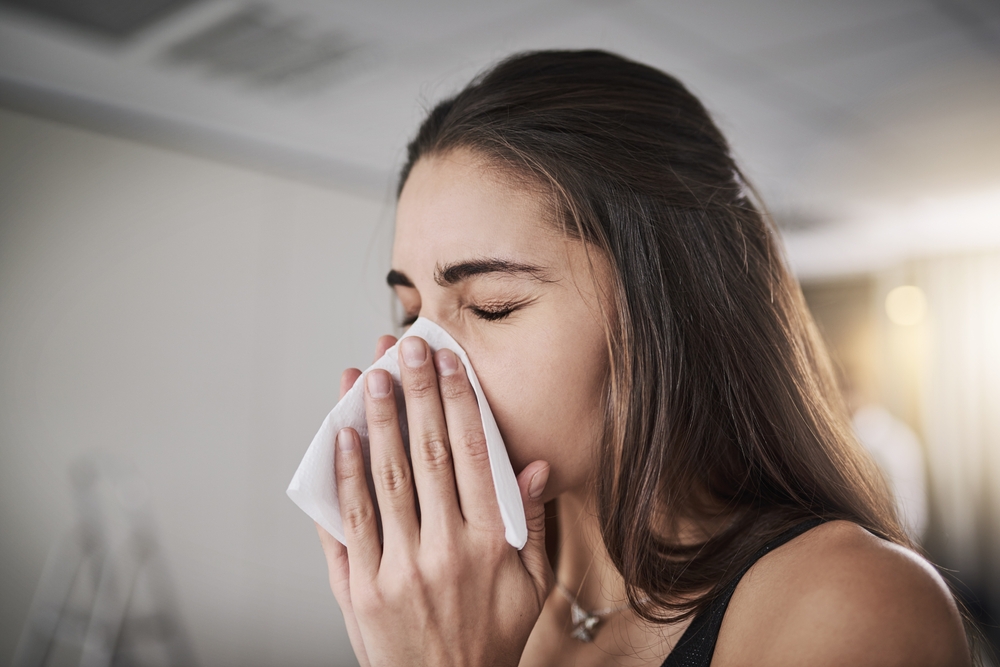
Spring is a time of renewal—blooming flowers, warmer weather, and longer days encourage many of us to swap indoor workouts for fresh-air adventures. But for millions of people, spring also means the return of seasonal allergies, making time spent outside feel more like a chore than a joy. The good news? You can still enjoy the outdoors this season by taking proactive steps to manage your allergy symptoms.
Understanding spring allergy symptoms
Seasonal allergies, also known as hay fever or allergic rhinitis, are triggered by pollen from trees, grasses, and weeds. These allergens can lead to a variety of uncomfortable symptoms, including:
- Frequent sneezing
- Stuffy or runny nose
- Itchy, red, or watery eyes
- Postnasal drip or sore throat
- Dry cough
- Sinus pressure or facial pain
- Tiredness or brain fog
These symptoms may vary in severity but can disrupt sleep, reduce focus, and impact your overall well-being—especially when left untreated.
Strategies to reduce allergy exposure and symptoms
To enjoy spring without letting allergies get in the way, consider incorporating the following strategies into your daily routine:
Wear protective eyewear
Sunglasses are more than a fashion statement during allergy season—they create a barrier that helps keep pollen and other allergens away from your eyes. Wraparound styles offer the most coverage and can reduce redness and irritation caused by airborne particles.
Keep hair and scalp pollen-free
Pollen easily clings to hair. If you don’t wash your hair daily, wearing a wide-brimmed hat or headband while outdoors can help minimize pollen buildup. Designate outdoor accessories (like hats or jackets) to remain outside or near the door to avoid bringing allergens into your home.
Rely on the right medications
Over-the-counter antihistamines such as Loratadine (Claritin), Cetirizine (Zyrtec), and Fexofenadine (Allegra) are effective for daytime relief without drowsiness.
For nighttime symptoms, older antihistamines like Diphenhydramine (Benadryl) may be helpful.
For ongoing symptoms, steroid nasal sprays like Fluticasone (Flonase) or Triamcinolone (Nasacort) offer powerful relief by reducing inflammation in the nasal passages.
Breathe through your nose
Nasal breathing helps filter allergens before they reach your lungs. If congestion makes nasal breathing difficult, try using a saline spray, decongestant, or a steam inhalation session to clear your airways and improve airflow.
Change and shower after outdoor time
Your clothing acts like a pollen magnet when you’re outside. Once you return indoors, change your clothes immediately and place them in the laundry. A quick shower can also help wash allergens off your skin and out of your hair—especially before bedtime to avoid transferring pollen to your pillow.
Flush out allergens from your sinuses
Even if you don’t have obvious symptoms, allergens may still be trapped in your sinuses. Using a saline rinse or Neti Pot after outdoor exposure can help remove pollen, reduce inflammation, and prevent complications like sinus infections. Be sure to use sterile or distilled water when rinsing.
When to see an ENT specialist for allergy treatment
If your symptoms are severe, long-lasting, or unresponsive to over-the-counter treatments, it may be time to consult with an Ear, Nose, and Throat (ENT) specialist. ENT physicians can perform comprehensive allergy testing to determine your specific triggers and develop a customized treatment plan.
Depending on your needs, your ENT may recommend:
- Prescription-strength allergy medications
- Immunotherapy (such as allergy shots or sublingual tablets)
- In-office procedures to relieve chronic sinus pressure or drainage issues
Getting professional help can make a world of difference—allowing you to enjoy the spring season more fully, with fewer disruptions from allergy symptoms.
Don’t let allergies hold you back
With the right combination of lifestyle changes, medical treatments, and support from an ENT expert, you can breathe easier and get back to doing what you love—whether it’s hiking, gardening, or simply taking a stroll through your neighborhood.
Looking for relief? Find a local ENT specialist and take the first step toward lasting allergy control.