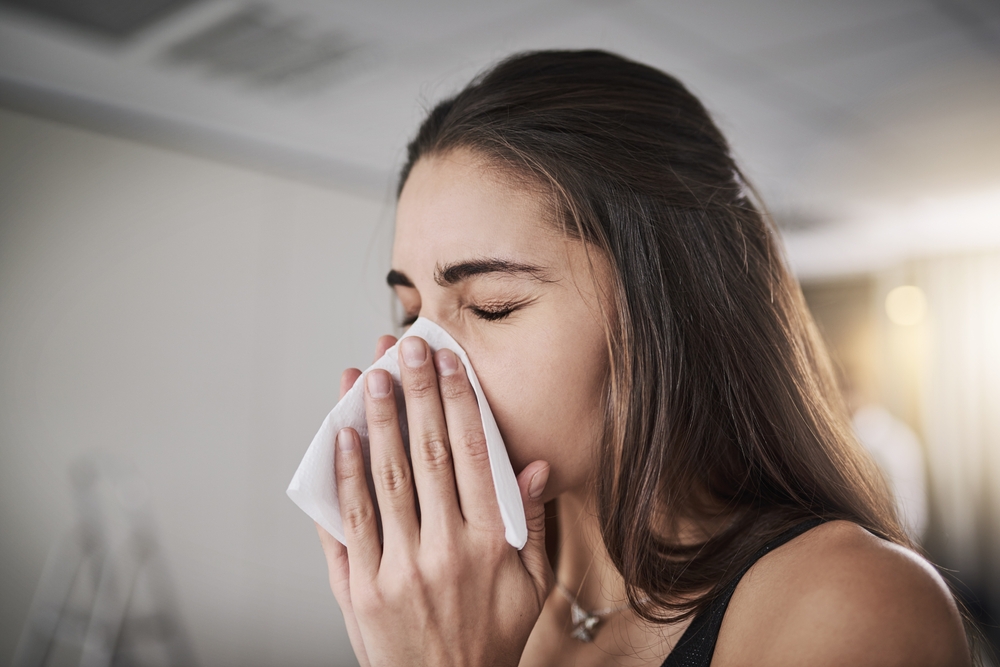
Winter brings a respite from the high pollen counts of spring and summer, but for many, it doesn’t signal the end of allergy season. Instead, new allergens emerge, making winter allergies a common issue. Understanding the causes and finding effective ways to manage symptoms can help you enjoy the colder months without discomfort.
Understanding winter allergies
Winter allergies arise when the immune system misidentifies harmless substances as threats, similar to the reaction caused by pollen in warmer months. However, the culprits behind winter allergies differ, often coming from indoor sources.
What are common winter allergens?
- Mold Spores: Mold thrives in damp environments, and winter’s frost doesn’t necessarily eliminate these spores. Their small size allows them to penetrate deeply into the respiratory system, causing coughing and other allergic reactions.
- Pet Dander: With pets spending more time indoors during winter, exposure to pet dander increases. The closed windows and recirculated air can lead to a significant buildup of allergens, intensifying allergy symptoms.
- Dust Mites: Dust mites are another indoor allergen that becomes more concentrated in sealed environments during the winter. The lack of fresh air circulation exacerbates exposure, leading to sneezing, watery eyes, and other allergic reactions.
How to manage winter allergy symptoms
Relieving winter allergy symptoms involves proactive steps to reduce exposure to allergens and strengthen your overall immune system.
Tips for allergy relief
- Designated Pet Areas: Ensure pets have a specific area to sleep, ideally outside your bedroom. Reducing close contact with pets at night gives your body time to recover from constant exposure to pet dander.
- HEPA Air Filtration: Installing HEPA filters in your HVAC system and using standalone air purifiers can significantly reduce indoor allergens. Regularly replacing filters ensures optimal performance, especially during peak allergy months.
- Vaccination: Protect yourself against winter illnesses by getting a flu shot. This reduces the risk of compounded respiratory issues when allergies and infections like the flu or pneumonia occur simultaneously.
- Regular Cleaning: Keep your living spaces clean and free of dust accumulation. Regular vacuuming with a HEPA-equipped vacuum cleaner and washing bedding in hot water can minimize dust mites and other allergens.
Personalizing your allergy management
Each person’s allergy triggers and responses are unique. Some may find their symptoms peak during the dampness of early winter, while others may struggle more with the dry air of late winter. Tailoring your approach to your specific symptoms and triggers is essential.
Consult with an ENT specialist
For persistent or severe winter allergies, consulting an ENT specialist can provide targeted treatment options. Specialists can offer tailored advice, recommend allergy testing, and prescribe medications or other therapies to help you manage symptoms effectively.
For personalized care and long-term relief, find an ENT specialist near you today.