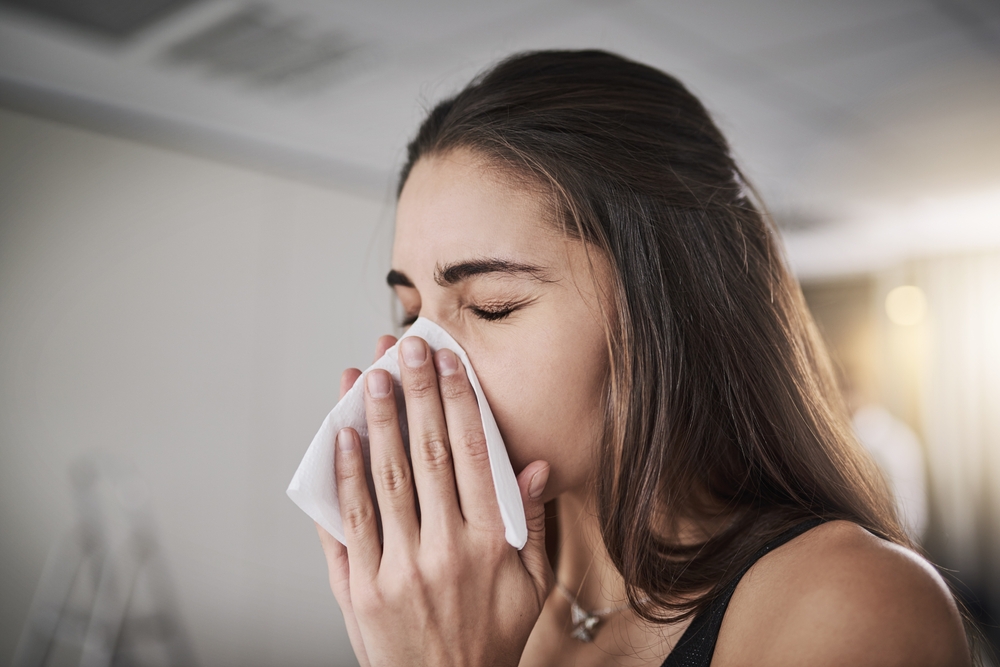
Although pets like dogs and cats often bring joy and companionship, they can sometimes trigger allergic reactions in sensitive individuals. Understanding the signs of pet allergies and knowing how to manage them can help you maintain a comfortable living space while still enjoying the company of your furry friends. Here’s a guide to identifying pet allergies and effective strategies for managing them.
What causes pet allergies?
Allergies occur when your immune system overreacts to a substance in the environment. When it comes to pets, the problem usually lies with proteins found in their skin cells, saliva, or urine. The most common trigger is dander, which consists of tiny flakes of dead skin shed by pets. While any furry animal can potentially cause allergies, cats and dogs are typically the most frequent culprits.
Cats are often associated with higher allergy rates compared to dogs, but individual reactions can vary widely. Interestingly, among common allergens such as mold, dust mites, pet dander, and pollen, cat dander is particularly challenging due to its small size. This means cat dander can remain airborne for up to 30 minutes after being disturbed, making it nearly impossible to avoid if you are allergic.
Recognizing symptoms of pet allergies
Pet allergies can manifest in several ways, and symptoms may range from mild to severe:
- Nasal Irritation: You might experience a runny nose, frequent sneezing, and itchy sensations in the eyes, nose, and roof of the mouth. Additionally, post-nasal drip can cause facial pressure and discomfort.
- Asthma Complications: For those with asthma, exposure to pet allergens can exacerbate symptoms, leading to increased difficulty breathing, chest tightness, and disrupted sleep.
- Skin Reactions: Allergic dermatitis can lead to itchy skin, red patches, or hives. Eczema might also develop as a result of exposure to pet allergens.
- Eye Irritation: Allergic reactions can cause your eyes to become red, itchy, or watery. This symptom can be particularly bothersome and is often accompanied by other allergy symptoms.
- Persistent Cough: A cough that persists or worsens in the presence of pets can be a sign of pet allergies. This cough may be dry or accompanied by mucus.
- Sinus Congestion: Allergies can lead to inflammation and congestion in your sinuses, causing headaches, facial pressure, and a feeling of fullness in the face.
Strategies for minimizing pet allergies
If you’re looking to alleviate symptoms, consider these approaches to minimize your allergic reactions:
- Regular Cleaning: Frequent cleaning of your home can help reduce allergens. Use a vacuum with a HEPA filter and clean pet bedding regularly to decrease dander buildup.
- Pet Grooming: Regular grooming of your pet can help reduce the amount of dander they shed. Bathing your pet and brushing them outside can minimize allergens indoors.
- Allergen-Free Zones: Designate certain areas of your home as pet-free zones, such as bedrooms or specific rooms, to create allergen-free spaces where you can seek relief.
- Air Purifiers: Investing in a high-quality air purifier with a HEPA filter can help capture airborne allergens and improve air quality in your home.
Medications for allergy relief
When lifestyle adjustments aren’t enough to manage your symptoms, medication may provide additional relief:
- Antihistamines: These can help alleviate symptoms such as itching, sneezing, and a runny nose. Some antihistamines are available over-the-counter, while others can be prescribed as nasal sprays.
- Corticosteroids: Nasal corticosteroids can be effective in reducing inflammation and controlling allergy symptoms.
- Decongestants: These medications work by shrinking swollen tissues in the nasal passages, making it easier to breathe.
If these strategies and medications don’t provide sufficient relief, or if your symptoms persist, talk with an Ear, Nose, and Throat (ENT) specialist.
Find an ENT specialist near you for further assistance and personalized treatment options.