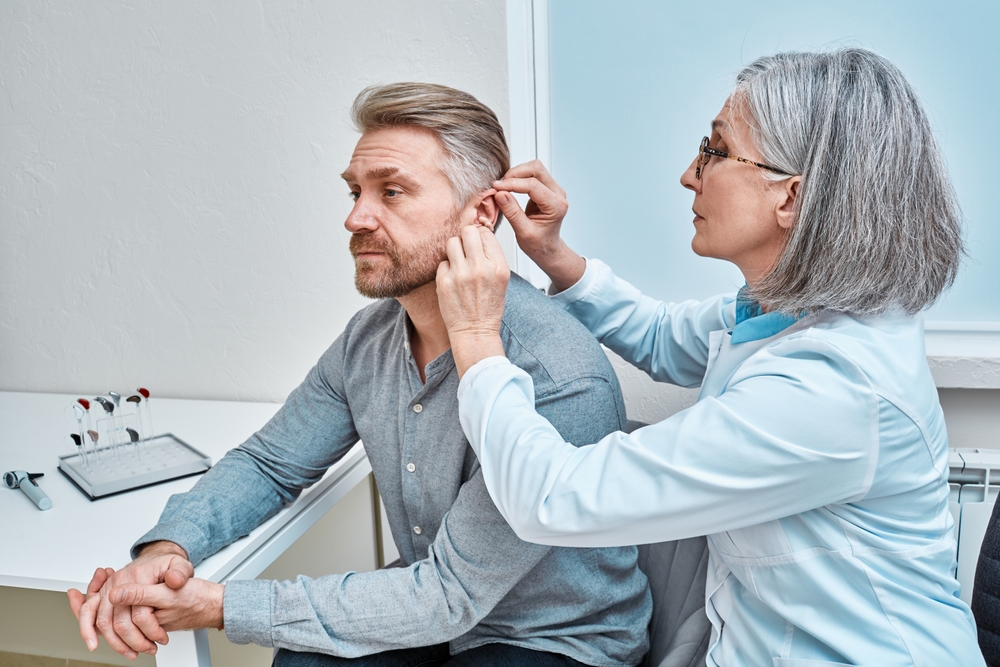
With proper care, hearing aids can last for several years, but their effectiveness depends on their alignment with your current level of hearing loss. Comparable to prescription glasses, hearing aids are customized to accommodate your specific auditory needs, necessitating regular reassessment. Assuming appropriate programming and fitting, here’s a guideline for their longevity.
Do hearing aids have a lifespan?
Just like most commodities, hearing aids have a lifespan. Much like the perishability of milk or the longevity of canned goods, hearing aids also come with a finite period of optimal functionality. Even sophisticated electronics, such as your state-of-the-art TV, eventually warrant an upgrade. It’s no surprise, then, that hearing aids also operate within a lifespan.
Typically, hearing aids last anywhere from 2 to 5 years, although technological advancements may prompt earlier upgrades. However, the longevity of your hearing aids hinges on several factors:
- Type: Hearing aids come in two primary forms: inside-the-ear and behind-the-ear. Inside-the-ear models, exposed to the ear canal’s sweat and debris, generally last around five years, while behind-the-ear models endure for approximately 6 to 7 years due to their enhanced protection against moisture and dirt.
- Maintenance: Unsurprisingly, diligent care directly correlates with extended lifespan. Regular cleaning and maintenance significantly prolong functional longevity.
- Batteries: While most hearing aids utilize internal rechargeable batteries, the type of battery can influence overall longevity.
- Construction: Modern hearing aids have diverse materials, from silicon to metal to nano-coated plastics. While designed for durability, the choice of materials may impact longevity, particularly if you are prone to accidental drops.
While the estimated lifespan is based on typical usage, neglecting to wear or maintain your hearing aids may impact their effectiveness. Professional check-ups and cleaning sessions are essential to ensure proper fit and functionality, especially considering potential wax build-up.
When to anticipate replacement
As time passes, you may notice a decline in hearing aid performance, signaling the need for replacement. However, certain circumstances might warrant an earlier upgrade:
- Hearing changes: Significant alterations in hearing levels necessitate recalibration for optimal results, prompting consideration of new hearing aids.
- Lifestyle shifts: Evolving lifestyles may demand features like waterproofing or enhanced durability, prompting an upgrade to better suit your needs.
- Technological advancements: Annual innovations introduce cutting-edge features that can substantially improve hearing aid functionality, prompting consideration of newer models.
Predicting the precise time frame for hearing aid replacement proves challenging, given the multitude of variables. Nevertheless, a general guideline of 2 to 5 years provides a reliable reference point.
Find a hearing specialist near you to discuss the effectiveness of your hearing aid.