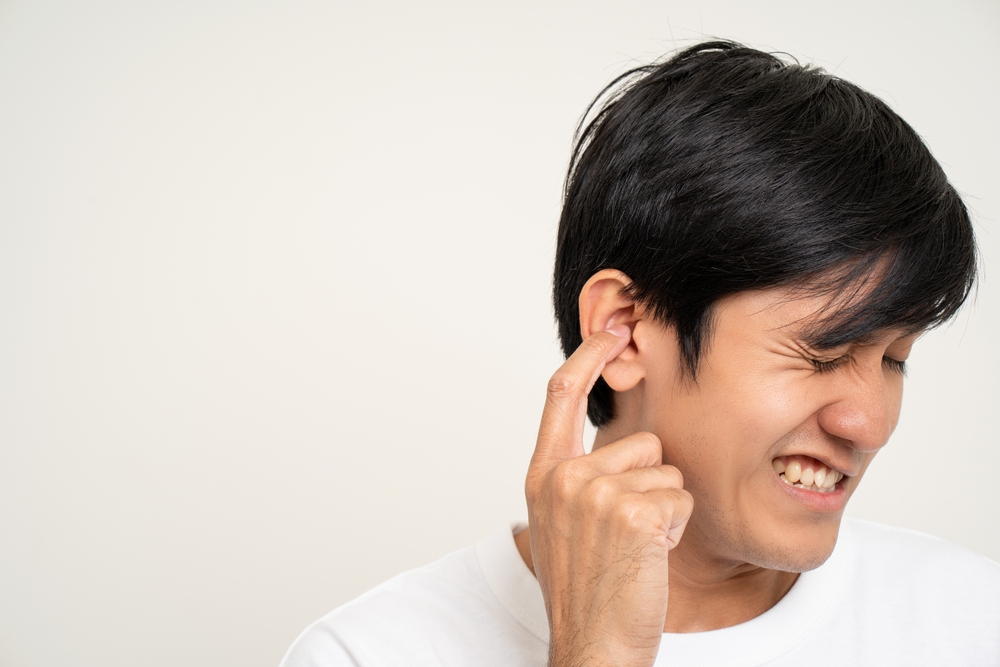
An itchy ear canal can be surprisingly distracting and uncomfortable. While your first instinct might be to scratch the itch with a finger or cotton swab, that can do more harm than good. The key to safely stopping the itch is understanding what’s causing it in the first place.
What causes your ears to itch?
From earwax imbalances to allergies, several factors could be to blame.
Earwax: a natural protector
Earwax (cerumen) may seem like something to remove, but it plays a protective role by trapping dust, bacteria, and other particles. Too much buildup, however, can block your ear canal and affect hearing. On the other hand, too little wax can leave the skin inside your ears dry and irritated.
If dry ears are the issue, a specialist-approved ear moisturizer may help restore comfort. Avoid over-cleaning your ears at home—especially with cotton swabs—as this can strip away protective wax and lead to further irritation.
Swimmer’s ear: when water lingers
Water trapped in the ear after swimming or showering can lead to itching, inflammation, and even infection. Known as swimmer’s ear, this condition can be caused by bacteria or fungi growing in the moist environment of your ear canal.
To prevent water-related itching, wear swim plugs or a swim cap when swimming. Afterward, dry your ears thoroughly by tilting your head or using a soft towel. Avoid inserting anything into your ears to dry them out, as this can irritate or damage the delicate skin.
Allergies: a common trigger
Itchy ears can be part of an allergic reaction. Whether it’s pollen, pet dander, dust, or food-related, allergies cause your body to release histamines, which can create inflammation in various parts of the body—including your ears.
Over-the-counter antihistamines can often relieve mild symptoms. If you suspect allergies are behind your itchy ears, talk to your doctor about allergy testing and long-term management strategies.
Fungal infections: warmth and moisture invite trouble
Fungal infections thrive in warm, damp environments, making your ears a potential target—especially if you live in a humid climate or swim frequently. Signs may include itching, flaking, or mild discharge.
If you think you may have a fungal infection, it’s important to see a hearing specialist. Prescription antifungal drops can help resolve the issue quickly and safely. To reduce your risk, keep your ears as dry as possible and avoid using earbuds or hearing aids when moisture is present.
Insects: rare but possible
Though rare, insects can sometimes enter the ear canal, especially while sleeping outdoors or camping. The movement of the insect can cause intense itching or discomfort.
If this happens, try using a bulb syringe with warm water and rubbing alcohol to gently flush it out. If that doesn’t work—or you’re unsure how to proceed—seek immediate care to have the insect removed safely.
How to prevent itchy ears
While occasional ear itching may be harmless, ongoing discomfort can often be prevented by following a few key steps:
- Keep your ears dry: Use cotton balls or shower caps to keep water out when bathing.
- Avoid inserting objects: Don’t use your fingers, swabs, or any hard tools to scratch or clean your ears.
- Manage allergies: Take note of what triggers your symptoms and avoid those allergens when possible.
When to see a specialist
Most cases of ear itching are minor, but persistent or worsening symptoms could be a sign of an underlying condition. If home care isn’t helping, make an appointment with a hearing specialist or ENT provider.
Find a specialist in your area to get to the bottom of your itchy ears and find relief.