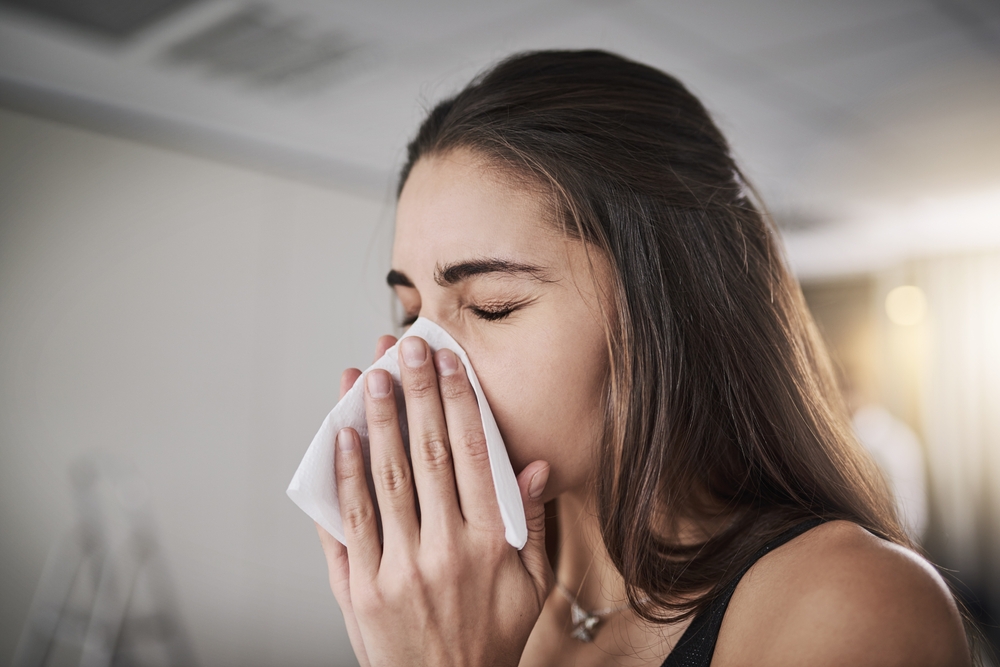
Environmental allergies are more than just a nuisance—they can wreak havoc on your sinuses and overall well-being. From sneezing and congestion to headaches and fatigue, these allergies can be a constant challenge, especially when the allergens are so prevalent in our environment. Unlike a cold, which is caused by a viral infection, allergies occur when your immune system mistakenly identifies harmless substances as threats, triggering an inflammatory response.
Understanding seasonal allergies and their symptoms
Seasonal allergies, also known as hay fever or allergic rhinitis, occur when your immune system reacts to allergens present in the environment. These can include pollen, dust, pet dander, and mold. While these substances are harmless to most people, those with allergies experience their immune system overreacting, triggering a range of symptoms that mimic a cold.
Some common allergy symptoms include:
- Stuffy or Runny Nose: The body produces excess mucus in response to allergens.
- Sneezing: Your body’s defense mechanism to expel the allergen.
- Postnasal Drip: Mucus dripping down the back of your throat, leading to irritation.
- Coughing: Often associated with throat irritation from mucus.
- Itchy or Watery Eyes: Common when allergens, like pollen, enter the eyes.
- Fatigue: Your body working overtime to fight allergens can leave you feeling exhausted.
- Hives or Skin Reactions: Some allergens can trigger skin reactions, including rashes.
The severity and type of symptoms can vary from person to person. You might find that your allergies are worse at certain times of the year, particularly during pollen seasons.
Common triggers of environmental allergies
Environmental allergies are caused by various allergens found in your surroundings. Some of the most common culprits include:
- Pollen: Released by trees, grasses, and weeds, pollen is a major contributor to seasonal allergies. Depending on the plant, pollen can travel miles through the air, making it difficult to escape its reach.
- Dust: While dust itself isn’t typically harmful, it can carry other allergens, such as mold spores and pet dander, which can worsen allergy symptoms. Keeping your living space clean can help reduce dust exposure.
- Pet Dander: The microscopic flakes of skin shed by animals, particularly cats and dogs, can trigger allergic reactions. This isn’t caused by the fur itself, but rather the dander that clings to it.
- Mold: Mold spores in the air can be a major irritant, especially in damp, humid environments. Mold can trigger sinus congestion, headaches, and respiratory issues.
- Dust Mites: These tiny organisms thrive in warm, humid environments and feed on dead skin cells. Dust mites are a common allergen, often found in bedding, carpets, and upholstery.
Understanding your specific allergens can be key to managing symptoms effectively.
Diagnosing allergies: how to know for sure
While it may be easy to suspect that you have an allergy, a proper diagnosis from a healthcare provider is the only way to be certain. There are two primary methods for testing allergies:
- Blood Tests: These tests look for specific antibodies in your blood that react to allergens.
- Skin Prick Tests: A doctor will place small amounts of allergens on your skin and use a needle to lightly prick the skin. If you’re allergic to a substance, a small raised bump will form.
These tests can pinpoint the exact allergens causing your symptoms, allowing for a tailored treatment plan.
What are the treatment options for allergies?
While there’s no cure for allergies, there are several effective treatments that can help manage symptoms.
- Prevention: Reducing your exposure to allergens is one of the best ways to avoid symptoms. This can include cleaning your home regularly, using air purifiers, and keeping windows closed during high pollen seasons. If you have pets, regular grooming and keeping them out of certain areas of the house can help.
- Short-Term Medications: Antihistamines, decongestants, and nasal sprays can provide quick relief from allergy symptoms. These medications help alleviate sneezing, congestion, and itchy eyes, but should not be relied upon long-term.
- Long-Term Treatment (Immunotherapy): Immunotherapy is a form of allergy treatment that can desensitize your immune system over time. It involves regular exposure to small amounts of the allergen to help your body build tolerance. Immunotherapy is available as allergy shots, drops, or tablets, and may provide long-lasting relief.
Managing your allergies to protect your sinuses
Environmental allergies can be particularly troublesome due to their prevalence and the difficulty in avoiding allergens. If left untreated, allergies can lead to complications like sinus infections or persistent sinus issues. Proper management of your allergies can help reduce the risk of these complications and improve your quality of life.
If you experience consistent allergy symptoms, it’s important to consult with a healthcare provider to discuss a personalized treatment plan. By taking steps to prevent exposure, using medications as needed, and considering long-term treatments like immunotherapy, you can minimize the impact of allergies on your sinuses and overall health.
Find an ENT specialist near you
You don’t have to suffer through allergy season. Find a specialist who can help you manage your symptoms and improve your quality of life. With the right treatments, you can breathe easier and enjoy your daily activities without the burden of allergies.