There is a clear link between protecting your hearing and maintaining your overall health. And if you follow the adage an ounce of prevention is worth a pound of cure, then you will appreciate how consistent attention to your hearing health can save you a lot of pain and discomfort as well as help you get ahead of a host of difficult to treat ailments.
First, the ounce of prevention.
- Checkups. Find a hearing specialist near you, and schedule a hearing test. If you have hearing aids, you’ll want to schedule regular clean and checks as you would a checkup with your family doctor or dentist. If you have a dog or cat chances are your pet’s ears are getting more attention than yours.
- Treatment. Act fast if you feel pain in your ears, especially after a cold, flu, or bad allergy season. You want to know if you have a bacterial or viral ear infection, so you can treat it appropriately.
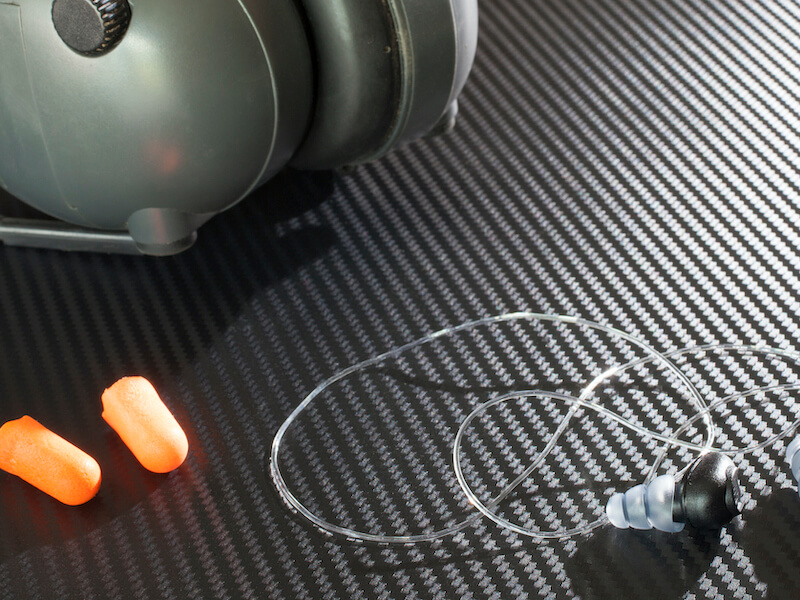
- Protection. Use protective ear guards or earplugs if you are exposed to noise in your occupation. Chronic noise exposure resulting in hearing loss is directly linked to a number of serious health issues.
- Hearing Aids. Inconspicuous and powerful, today’s hearing technology can roll back some of the damage done and continue to support your wellbeing.
Now, if you’ve (sincerely) checked all the above boxes, congratulate yourself on limiting your risk of developing a number of ailments issues. Here are just a few of the things that can happen when you’re not taking care of your ears:
- Higher Blood Pressure. Unprotected chronic and hazardous noise exposure has been linked to an increased risk of hypertension and blood pressure levels, especially in men.
- Dementia. Research from Johns Hopkins suggests that the social isolation and reduced conversation that comes from hearing loss can be a factor in brain atrophy. Mild to moderate hearing loss can double and triple the risk of dementia.
- Balance and Falls. Hearing helps with balance. Loss of hearing or damage to the inner ear and the strain and extra concentration it takes to make out sound can interfere with mental processing that can affect walking, especially if one is further inhibited by muscular or joint limitations.
- Depression. The effect of social isolation and withdrawal from conversations and activities has long been known to impact those with hearing loss, and the negative health effects of depression are widespread.
Of course, as we age and our hearing is inevitably compromised, and we’re bound to reproach ourselves for not being more cautious with music, around machinery, or at excessively loud events. But it’s never too late to preserve what you have, and turn to innovations in hearing technology to aid in the prevention of threats to your health.