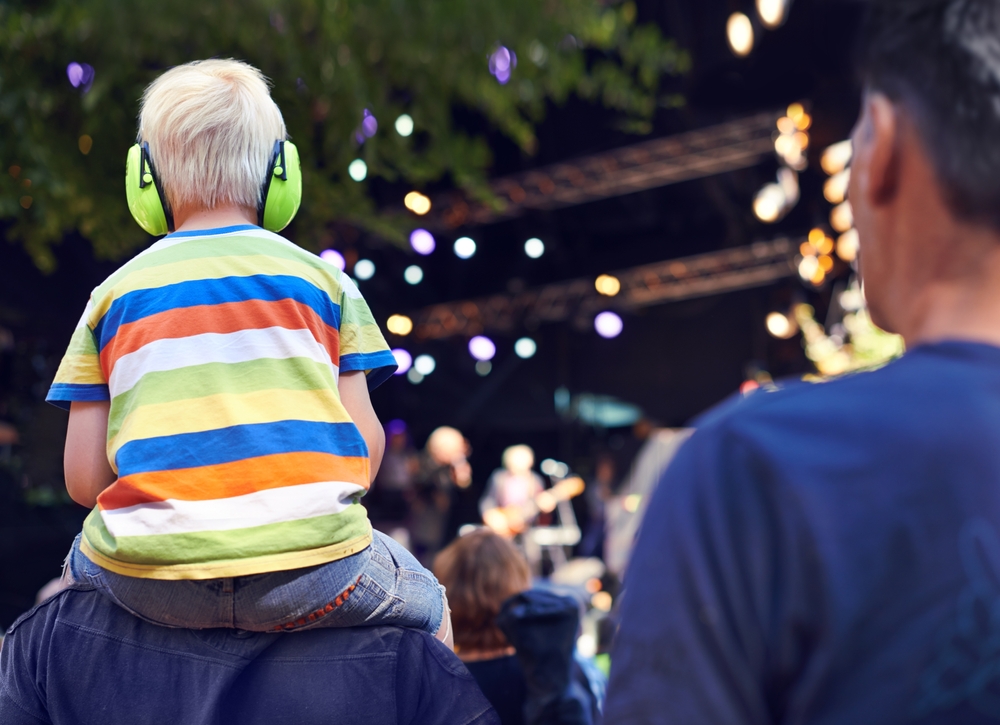
Hearing loss is often seen as an inevitable part of aging, but the truth is that much of it is preventable. The gradual decline in hearing is not just a result of time passing but a consequence of accumulated damage. Each exposure to loud sounds—whether at a concert, mowing the lawn, or through loud earbuds—adds up over time, leading to irreversible hearing loss. Alarmingly, this issue is not confined to older adults; even children are now showing signs of preventable hearing damage.
Globally, around 34 million children experience hearing loss, and an astonishing 60% of these cases could have been prevented. When we consider adults, the numbers are even more striking, revealing a widespread issue that demands attention.
Understanding today’s factors contributing to hearing loss
To tackle the problem of hearing loss, it’s essential to understand why it has become so prevalent in today’s world. Several factors contribute to this issue, each interconnected and amplifying the risk of hearing damage:
- Urbanization and Population Density: The world’s cities are more densely populated than ever before. With more people living in close quarters, the noise levels in urban environments have increased significantly. From traffic to construction, city noise is a constant assault on our ears, contributing to the growing incidence of hearing loss.
- Social Environments: Modern social settings, such as restaurants and bars, are often excessively loud. The misconception that a noisy atmosphere equals success has led many establishments to increase their volume levels. Even without live music, the background noise in these places can be harmful, leading to cumulative hearing damage.
- Technological Advancements: Perhaps the most significant factor in the rise of hearing loss is the widespread use of personal audio devices. Earbuds and headphones have made it easier than ever to listen to music, podcasts, and videos. However, the proximity of these devices to the ear, combined with the tendency to increase the volume, can cause significant harm. The damage is often subtle, accumulating over time until it becomes noticeable and irreversible.
It’s important to recognize that while noise has always been a part of human life—from the roars of ancient beasts to the clamor of steam engines—the modern world presents new challenges. Today’s noise levels, combined with the accessibility of technology, create a perfect storm for hearing damage.
What are proactive steps to prevent hearing loss?
Given that the majority of hearing loss cases are preventable, especially in children, it’s puzzling that the issue remains so common. The key to prevention lies in personal responsibility and awareness. Here are some effective strategies to help maintain optimal hearing health:
- Utilize Hearing Protection: If you’re planning to be in a loud environment, such as a concert or while operating noisy machinery like a lawnmower, wearing hearing protection is crucial. Earplugs and earmuffs are widely available and can significantly reduce the risk of hearing damage. This simple step is often overlooked but can make a profound difference in preserving your hearing.
- Be Cautious of Moderate Noise Exposure: While loud noises are the most obvious threat to hearing, prolonged exposure to moderate noise can be equally damaging. City noise, for instance, may not seem harmful in small doses, but over extended periods, it can contribute to hearing loss. Understanding that noise damage is cumulative is essential for taking proactive measures to protect your ears.
- Monitor Your Earbud Volume: Personal audio devices, such as earbuds, are a convenient way to enjoy music and other audio content, but they pose a significant risk if used irresponsibly. Many devices allow you to set a maximum volume limit, which can help prevent accidental exposure to harmful sound levels. Taking the time to adjust these settings can prevent long-term damage to your hearing.
- Leverage Technology for Hearing Protection: Several apps are available that can measure ambient noise levels and provide real-time feedback on whether your environment is safe for your ears. These tools are invaluable for raising awareness and making informed decisions about your surroundings.
The power of knowledge in hearing protection
For those working in noisy environments, such as factories or stadiums, protecting hearing can be more challenging. However, strict occupational safety regulations are in place to safeguard workers’ hearing health. Familiarizing yourself with these rules and ensuring they are enforced can prevent occupational hearing loss.
Ultimately, the more informed you are, the better equipped you’ll be to protect your hearing. This knowledge extends beyond understanding your environment; it also includes being aware of workplace policies and seeking professional advice when necessary.
Consulting with a hearing specialist in your area can provide valuable insights into your current hearing health and offer personalized recommendations for protecting your ears. Remember, hearing loss is not an inevitable fate. With the right precautions and awareness, you can maintain your hearing health and enjoy the sounds of life for years to come.