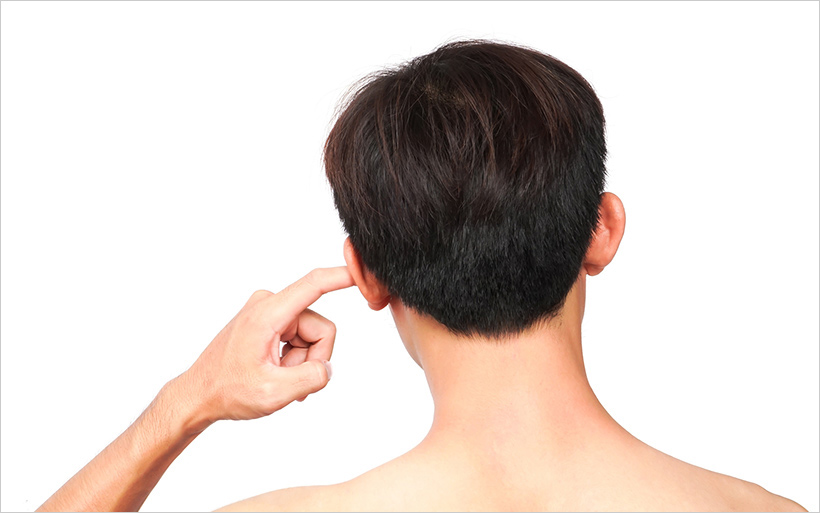
Having an inner ear itch can be very uncomfortable. While your first inclination may be to find some relief by using your finger or a small object to scratch at the unpleasant sensation, it is essential to first identify the cause of the itch. Determining the cause of your inner ear itch will help you ascertain the safest and most appropriate treatment.
Some earwax is good for you
Your ears are supposed to contain a certain amount of earwax. While excessive earwax buildup can interfere with your hearing and may require removal by a specialist, too little earwax can result in dry and itchy skin. To eliminate the discomfort, it may be necessary to apply an ear moisturizer approved by a specialist.
Swimming
People who swim regularly may experience itchy ears if they don’t take proper precautions. Water, even in chlorinated swimming pools, can contain germs and pollutants that cause ear infections. If excess water remains in your ears after swimming, it can cause eczema. Using a swim cap or earplugs will help keep water out of your ear canals and prevent the conditions leading to infections.
Allergies
Allergies, whether seasonal or the result of sensitivity to a particular food or drink, can create itchiness in your ears. This itchiness is caused by histamines, which are released into the body during an allergic reaction. To alleviate this condition, it may be necessary to take an antihistamine.
Fungal infections
A variety of conditions can cause fungal infections in your ears, including a hot and humid climate. You may also develop a fungal infection if you swim regularly. Keeping your ear canals dry is key to preventing fungal infections. If you believe you have a fungal infection in your ear, you should make an appointment with a specialist to obtain anti-fungal medicine.
Insects
Unpleasant as it may sound, insects can sometimes find their way into your ears. As the insect tries to escape the ear canal, it can cause severe itching and irritation. You should use a bulb or ear syringe containing a combination of water and alcohol to drown the insect and irrigate it out of your ear. If you feel you cannot do this safely, you should ask a specialist to remove it.
Preventing itchy ears
Knowing how to alleviate an itchy ear is valuable information. There are some proactive steps you can take, however, to prevent itchy ears from occurring in the first place:
- Keep water out of your ears by placing clean cotton balls in them while taking showers or baths.
- Avoid irritating the sensitive skin of your inner ears by not placing hard objects in your ears.
- Limit your exposure to substances that aggravate your allergies because it may result in itchy ear canals.