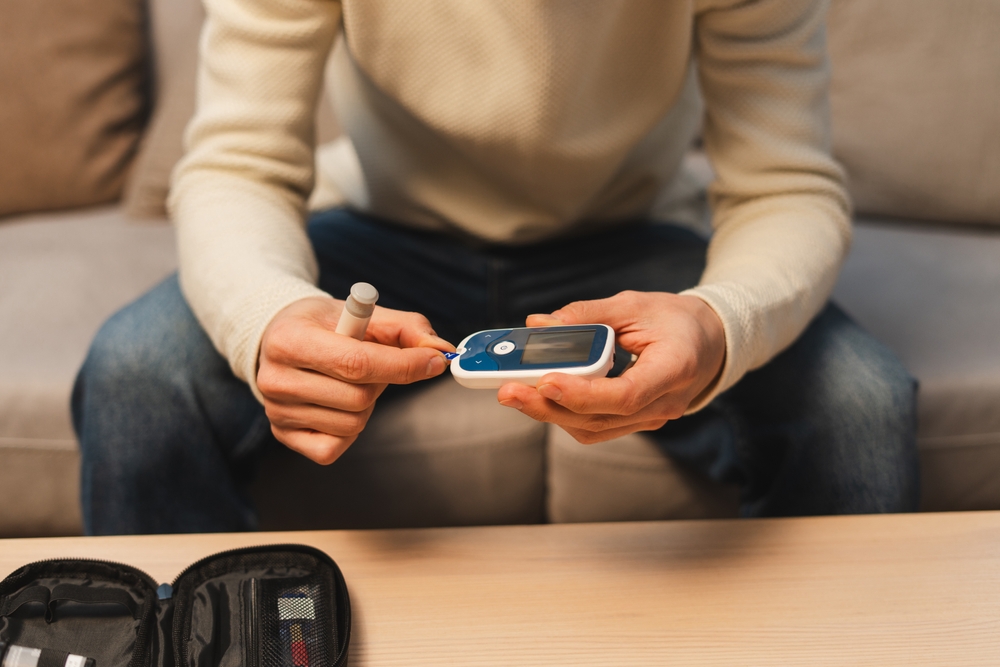
Most people associate hearing loss with common causes like aging or exposure to loud environments. But there’s another significant and often overlooked risk factor: diabetes. If you’re managing diabetes or have prediabetes, understanding how this condition affects your hearing can help you take the right steps to protect it.
The connection between diabetes and hearing health
Diabetes affects over 37 million adults in the United States, according to the Centers for Disease Control and Prevention (CDC). Even more alarming, an estimated 133 million Americans have prediabetes. While diabetes is commonly associated with complications such as neuropathy, vision problems, and kidney issues, it can also negatively impact your hearing.
Research shows that individuals with diabetes are twice as likely to experience hearing loss compared to those without the condition. And even among people with prediabetes, the risk of hearing loss is approximately 30% higher. This significant correlation makes it crucial for those with elevated blood sugar levels to pay attention to their auditory health.
Why does diabetes affect hearing?
The key lies in how diabetes impacts the body’s blood vessels and nerves. High blood glucose levels can damage small blood vessels and nerves throughout the body, including those in the inner ear. These tiny structures are essential for detecting sound and transmitting signals to the brain.
When blood vessels are compromised, they can’t supply enough oxygen and nutrients to the delicate cells in the inner ear, leading to gradual damage and hearing impairment.
While less commonly discussed, fluctuations in blood sugar levels, including very low levels, may also affect how nerves function, potentially impacting hearing in some individuals. However, the primary concern remains prolonged high blood sugar, which is more directly associated with progressive hearing loss.
Over time, poor blood sugar control can also lead to high blood pressure and increased inflammation, both of which may accelerate hearing decline.
Subtle signs of hearing loss to watch for
Hearing loss can sneak up slowly, which is why many people may not realize there’s a problem until it significantly impacts their daily life. Often, others may notice it first.
Here are some signs to be aware of:
- Trouble understanding speech during phone conversations
- Difficulty hearing in noisy settings, like restaurants or social events
- Frequently asking people to repeat what they said
- Needing to raise the volume on your television or radio
- Feeling like people around you are always mumbling
If you notice any of these symptoms or if someone else points them out, it’s time to schedule a hearing evaluation with a qualified hearing specialist.
Why annual hearing tests are important for people with diabetes
Early detection is key to managing hearing loss effectively, especially for individuals with diabetes. A yearly hearing exam can help identify changes early on and set a baseline to monitor your hearing over time.
Hearing loss doesn’t just affect your ability to listen, it can impact your social life, cognitive function, emotional well-being, and balance. By staying proactive, you can minimize these effects and maintain a better quality of life.
Tips to protect your hearing when you have diabetes
If you have diabetes, take these steps to reduce your risk of hearing loss:
- Monitor your blood sugar: Keep your glucose levels within the range recommended by your healthcare provider.
- Avoid loud environments: Protect your ears by using hearing protection when around loud noise, such as at concerts or during yard work.
- Stay informed: Make hearing health a routine part of your diabetes care plan.
- Get help early: Don’t wait until hearing problems become severe. Early intervention can make a big difference.
Take charge of your hearing health
If you’re living with diabetes or prediabetes, consider hearing evaluations just as important as your regular eye exams or foot checks. Schedule an appointment with a hearing specialist in your area to assess your hearing health, set a baseline, and explore treatment options if necessary.
Your ears deserve just as much attention as the rest of your health, especially when diabetes is in the picture.