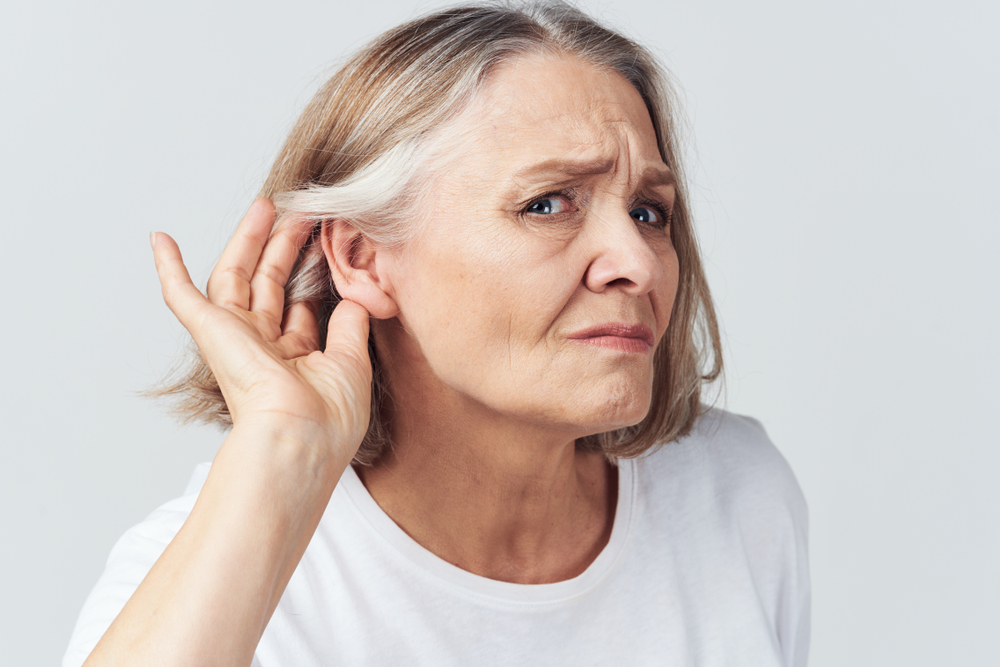
Misinformation can be more than misleading; it can be detrimental, especially for the 360 million people globally living with some form of hearing loss. Getting the facts right is crucial to avoiding ineffective treatments, complications from untreated conditions, and protecting overall ear health.
1. Types of hearing loss
Hearing loss manifests in four main categories, each affecting auditory function differently. Conductive hearing loss occurs when sound waves cannot reach the inner ear due to obstructions like earwax or structural issues in the middle ear. In contrast, sensorineural hearing loss involves damage to the inner ear or auditory nerve, hindering the brain’s ability to interpret sound signals even when amplified. Central deafness stems from conditions affecting auditory processing in the brain, while mixed hearing loss combines elements of both conductive and sensorineural issues, commonly seen in age-related hearing loss.
2. Noise: a leading cause of hearing loss
Noise-induced hearing loss ranks as the primary culprit behind auditory impairment. The Better Hearing Institute reports that millions are exposed daily to harmful noise levels that damage delicate ear structures. The ear, designed to amplify sound for transmission to inner ear hair cells, becomes susceptible to trauma from environments such as concerts, clubs, and routine activities like using power tools or blow-drying hair.
3. Gradual onset of noise-related hearing loss
One of the insidious aspects of noise-induced hearing loss is its gradual progression. Often unnoticed in its early stages, prolonged exposure to loud sounds accumulates damage over time. Activities like attending loud events, using headphones for extended periods, or operating machinery contribute to cumulative hearing impairment. Awareness of these risks is critical, as individuals may not realize the impact until hearing aids become necessary.
4. Recognizing tinnitus as an early indicator
Tinnitus, characterized by ringing or buzzing in the ears, affects millions globally and is frequently associated with hearing loss. Despite its prevalence, many individuals dismiss or avoid seeking medical advice for tinnitus due to misconceptions or fear of diagnosis. However, tinnitus often serves as an initial warning sign of underlying hearing issues. Early intervention, including lifestyle adjustments to reduce noise exposure, can potentially mitigate further hearing decline.
5. Addressing the need for hearing aids
Approximately one in five individuals could benefit from hearing aids, yet many go untreated. These devices amplify sound and include features such as background noise reduction and directional microphones to enhance hearing clarity. Without hearing aids, individuals with hearing loss may struggle in social settings, leading to isolation and diminished quality of life.
Recognizing the significance of hearing health empowers individuals to seek timely intervention and improve overall well-being.
Understanding these facts is crucial for preserving and enhancing hearing health. By dispelling misconceptions and embracing proactive measures, individuals can safeguard their auditory function and maintain active participation in daily life.
Find a hearing specialist near you to take the first steps in addressing your hearing loss.