People should get their hearing tested at least every two years if they aren’t experiencing a problem, and annually if they show any signs of hearing loss. Think of it as just another part of your annual health exams.
Hearing tests can catch even the slightest changes in your hearing.
But can having a hearing test benefit you in other ways?
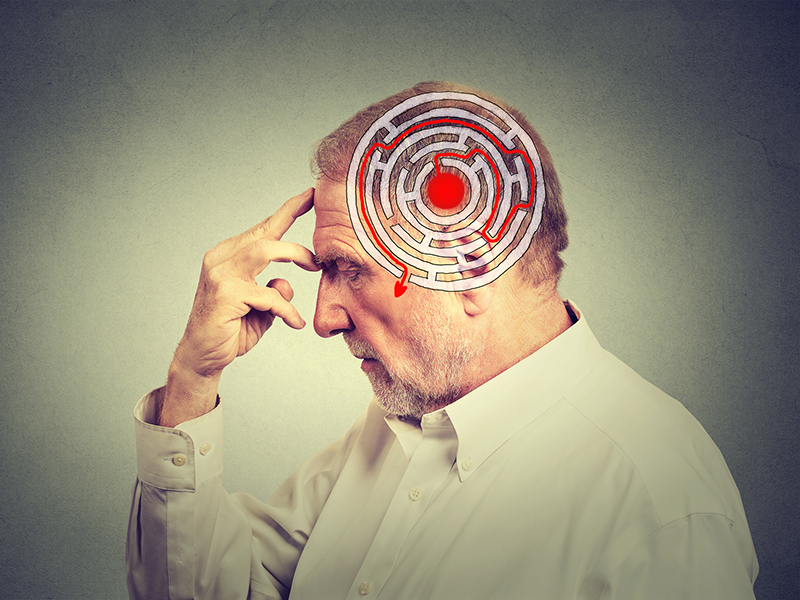
Hearing affects your overall health in many subtle ways, and untreated hearing loss has been associated with many health issues. Let’s explore how a hearing test can protect you from dementia.
Exercising cognition and enhancing quality of Life
Social isolation has been linked to the onset and further progression of dementia due to the lack of cognitive stimulation and feelings of being cut off from others.
Loneliness and isolation can affect people on a very deep level. People need connection. We need authentic interaction and companionship. But these become more difficult to achieve when we’re struggling to hear what others say.
A hearing test and proper treatment allow you to enhance your social interaction. It is improving your quality of life. This provides you with the opportunity to make and maintain a genuine human connection.
You’ll be able to truly hear a person’s words as they are said, rather than spending minutes or even hours trying to decipher the message through the breakdown in transmission.
Reducing cognitive overload and the resulting stress
Alzheimer’s and its accompanying dementia affect memory and processing skills. Reducing cognitive overload frees up your cognition to work harder in more pressing areas.
After identifying and addressing the problem with your hearing, you’ll be able to hear the things you’ve been missing. You’ll also start to hear the things that you’d spent so much cognitive energy trying to decipher through your limited hearing ability.
Cognitive overload occurs when you expend so much of your energy on figuring out what others are saying. This can lead to heavy amounts of stress on your body and brain functioning, hindering your ability to effectively use cognitive processes in other areas of your life.
In addition to the protection hearing tests offer you, you can also use silence and stillness to counteract some of the damage that has already been done through cognitive overload. This practice of sitting quietly and allowing your brain to recover from daily stresses strengthens your cognitive abilities. The brain can heal itself if given a breakthrough silence and stillness.
You have the right to a high quality of life. You have the right to be heard. To hear. To connect. And getting a hearing test can help you receive this sort of experience by protecting you from the onset or progression of dementia.