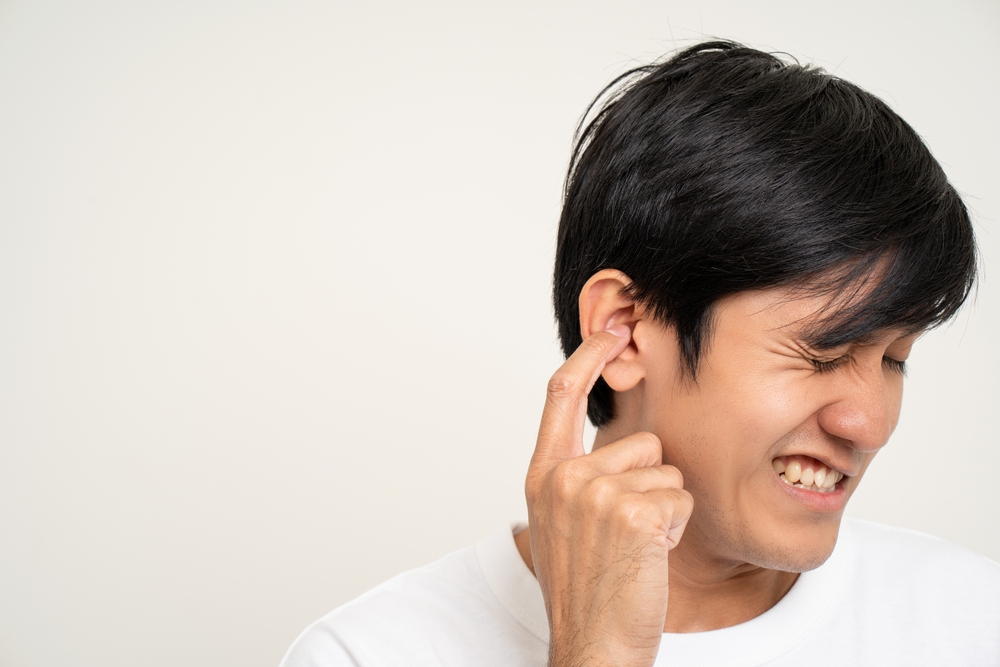
Winter is a beautiful season filled with crisp air, holiday cheer, and cozy indoor gatherings. However, the chilly months also bring unique challenges for your ears and hearing health. Whether you’re dealing with the bitter cold, blustery winds, or increased risk of illness, safeguarding your hearing becomes essential. For those who rely on hearing aids, winter poses additional concerns, but with a few proactive measures, you can protect your hearing and devices throughout the season.
The impact of winter on hearing and hearing aids
Winter’s cold temperatures and harsh conditions can affect your ears and hearing devices in several ways. Understanding these risks can help you take the necessary steps to protect your hearing health.
Increased risk of ear infections
Winter weather often leads to ear infections due to temperature fluctuations and increased exposure to indoor germs. When your ears are exposed to cold air, any moisture inside can quickly cool and create an environment conducive to infection. Additionally, spending more time indoors heightens exposure to viruses and bacteria, increasing the risk of respiratory illnesses that can impact ear health.
Cold weather and moisture risks for hearing aids
Hearing aids are sensitive to moisture, and winter weather is full of potential hazards. Snow, rain, and even condensation from cold air can cause malfunctions or damage. Without proper care, moisture can compromise the delicate electronics in hearing aids, reducing their lifespan or functionality.
Dry air and ear canal irritation
Winter air tends to be dry, both outside and indoors due to heating systems. This dryness can cause your skin, including the skin in your ear canal, to become irritated, flaky, or itchy, making ear discomfort more common during the colder months.
Tips to protect your hearing in winter
Fortunately, a few simple strategies can help minimize the impact of winter on your ears and hearing aids. Implementing these habits will keep you comfortable and your hearing devices functioning optimally.
Keep hearing aids dry and safe
Even in snowy or rainy conditions, it’s crucial to wear your hearing aids daily to maintain auditory stimulation. However, to protect them:
- Use a dehumidifying storage container overnight to remove any moisture.
- Consider using a protective cover or sleeve for your hearing aids to shield them from snow and wind.
- Avoid exposing hearing aids to rapid temperature changes, as this can cause condensation.
Stay social and active
Winter isolation can be tempting, but staying socially active is vital for your hearing health. Engaging in conversations and attending social events helps keep your brain’s auditory processing sharp. Even simple activities like meeting friends for coffee or watching a movie can boost cognitive function and hearing retention.
Practice good ear hygiene
Maintaining clean and dry ears is essential during winter. Here are a few key tips:
- Gently dry your ears with a towel after exposure to moisture.
- Avoid using cotton swabs, which can push wax deeper into the ear canal and increase the risk of injury.
- Use a soft cloth and warm water to clean around the ear opening if needed.
Manage winter illnesses to protect your ears
Since colds and flu are common in winter, take extra precautions to avoid infections that can impact your ears:
- Wash your hands frequently to reduce exposure to germs.
- Stay hydrated and maintain a healthy diet to support your immune system.
- Consider getting a flu vaccine and wearing a mask in crowded indoor spaces if necessary.
Consult a hearing specialist for tailored advice
If you notice increased ear discomfort, frequent ear infections, or issues with your hearing aids, reach out to a hearing specialist. They can assess your concerns, provide tailored solutions, and ensure your devices are winter-ready. Regular check-ups help catch minor issues before they escalate, keeping you prepared for the season’s challenges.
Find a hearing specialist in your area to schedule an appointment this winter.