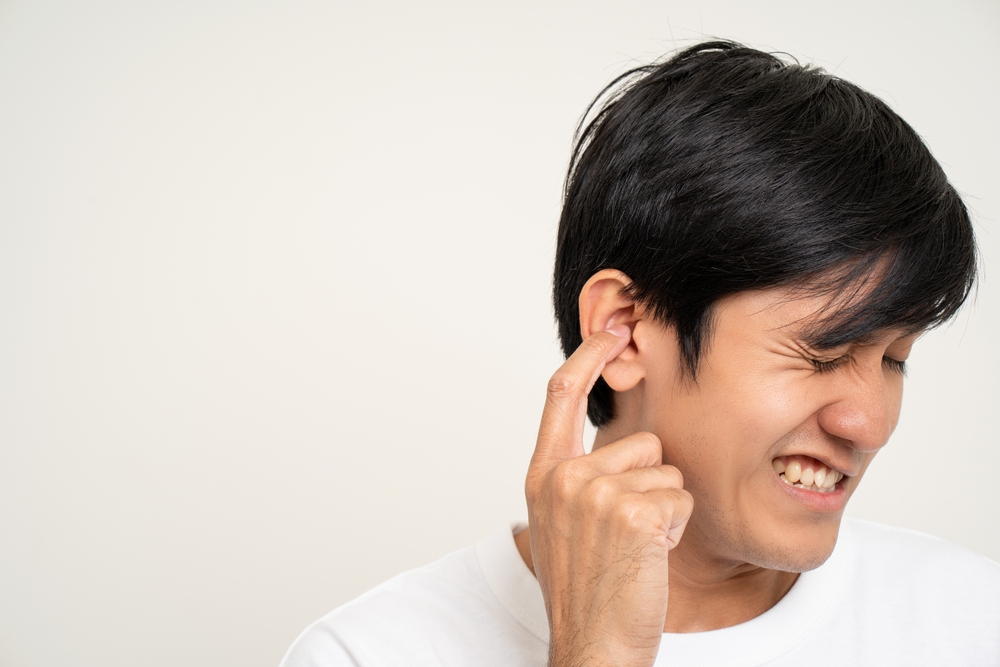
When people think about stress, they often associate it with headaches, fatigue, or trouble sleeping. However, stress can also have a significant impact on your hearing health. Prolonged stress affects the body in many ways, including an increased risk of hearing loss and tinnitus (ringing in the ears). Understanding the connection between stress and hearing issues can help you take proactive steps to protect your auditory health.
How stress impacts hearing health
Stress triggers the body’s “fight or flight” response, releasing hormones like cortisol and adrenaline. While this response is beneficial in short-term situations, chronic stress can lead to long-term damage, including:
- Restricted blood circulation to the inner ear
- Increased sensitivity to everyday sounds
- Potential nerve damage affecting hearing
These physiological changes can make it harder to hear clearly and may contribute to ongoing tinnitus symptoms.
The physiological effects of stress on your ears
Over time, chronic stress can cause reduced blood flow to the inner ear, increased muscle tension and pressure, and heightened sensory awareness, which can all impact your hearing health.
Reduced blood flow to the inner ear
One of the most significant effects of stress is blood vessel constriction. When blood vessels tighten, oxygen-rich blood has a harder time reaching key areas of the body, including the inner ear. Since the delicate structures in the ear depend on a steady blood supply, reduced circulation can result in temporary or even permanent hearing loss.
Increased muscle tension and pressure
Chronic stress often leads to muscle tightness in the neck, shoulders, and jaw. This tension can place added pressure on the nerves and tissues surrounding the ears, potentially worsening tinnitus or creating a sensation of fullness in the ears.
Heightened sensory awareness
Stress can increase how the brain processes sound, making normal noise seem louder or more irritating than usual. This heightened auditory sensitivity, known as hyperacusis, is commonly associated with stress-related hearing issues.
Signs that stress may be affecting your hearing
If you’re experiencing any of the following symptoms, stress could be playing a role in your hearing health:
- Sudden hearing loss in one or both ears
- Persistent ringing, buzzing, or clicking sounds (tinnitus)
- Increased sensitivity to sounds that were previously tolerable
- A sensation of fullness or pressure in the ears
- Dizziness or balance issues
When to see a hearing specialist
Any noticeable changes in your hearing should be evaluated by a hearing specialist as soon as possible. Early diagnosis and treatment can prevent further damage and improve your quality of life. A specialist can:
- Perform a comprehensive hearing evaluation
- Determine whether stress is contributing to your symptoms
- Recommend appropriate treatments such as hearing aids or sound therapy
- Provide tinnitus management strategies to reduce discomfort
How to manage stress for better hearing health
Lowering stress levels not only benefits your overall well-being but also helps protect your hearing. Consider these strategies:
- Practice Relaxation Techniques – Deep breathing, meditation, and yoga can help calm the nervous system and reduce stress-related hearing issues.
- Stay Active – Regular exercise improves blood circulation, which supports healthy hearing.
- Prioritize Restful Sleep – A well-rested body is better equipped to handle stress and protect ear function.
- Limit Stimulants – Caffeine and alcohol can worsen tinnitus and increase anxiety.
- Seek Emotional Support – Talking to a therapist or counselor can help you manage chronic stress more effectively.
Protect your hearing by managing stress
Stress is an often-overlooked factor in hearing health, but its effects can be profound. If you’ve noticed changes in your hearing or are struggling with tinnitus, don’t ignore the signs.
Schedule an appointment with a local hearing specialist to assess your symptoms and explore treatment options.