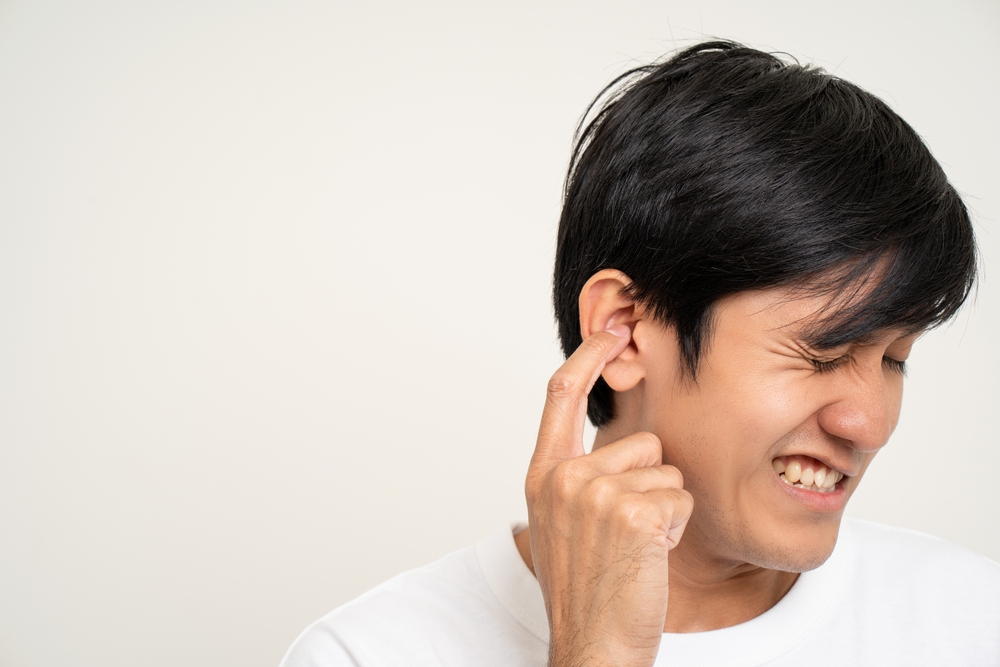
Veterans are at an increased risk for hearing loss, making it one of the most prevalent service-related disabilities. Exposure to loud environments and specific chemicals during military service can significantly affect hearing health. According to recent data, approximately 1.3 million veterans receive disability benefits due to severe hearing loss. An additional 2.3 million are compensated for tinnitus, a persistent ringing in the ears.
These figures only represent severe cases. Many veterans with mild or moderate hearing loss may go unreported or choose not to pursue benefits. Let’s dive deeper into why veterans face higher risks of hearing issues and what preventive measures are being implemented.
What is the connection between military service and hearing loss?
Hearing loss is a common risk in professions involving loud environments, such as construction, mining, or firefighting. Military personnel, however, are particularly vulnerable due to frequent exposure to high-decibel sounds, including:
- Gunfire
- Jet engines
- Rocket launches
- Explosions
- Siren alarms
While military training emphasizes awareness of one’s surroundings, the sheer intensity and frequency of noise exposure can lead to permanent hearing damage. However, loud noise is not the only contributing factor.
The hidden risk: jet fuel and hearing damage
The relationship between military service and hearing loss is complex. While loud noise is a primary factor, recent studies suggest exposure to jet fuel may also play a significant role. A study investigating jet propulsion fuel-8 (JP-8), a kerosene-based fuel, found a surprising connection between jet fuel exposure and hearing impairment.
Researchers tested the effects of jet fuel on mice, exposing them to fumes combined with low-level sounds that typically wouldn’t cause hearing damage. The results showed immediate and long-term effects, with mice experiencing difficulty in processing sounds. This phenomenon, known as ototoxicity, occurs when chemicals damage the inner ear, impairing hearing.
Veterans may encounter not just jet fuel but various toxic substances during their service, potentially increasing their risk for hearing loss. Ongoing research aims to better understand these risks and develop strategies for prevention.
Stress and its impact on hearing health
Military service is inherently stressful, with many veterans deployed to high-risk environments where constant vigilance is required. Prolonged exposure to stress leads to a surge in adrenaline, which can impact hearing health in several ways:
- Increased blood pressure
- Impaired deep sleep
- Restricted blood circulation to the ears
- Heightened anxiety and mental strain
Chronic stress can contribute to both tinnitus and hearing loss. Additionally, conditions like anxiety and post-traumatic stress disorder (PTSD) can exacerbate tinnitus symptoms, creating a cycle of stress and auditory discomfort.
Alcohol consumption as a contributing factor
Alcohol is another potential contributor to hearing loss among veterans. Known as an ototoxic substance, excessive alcohol consumption can damage the inner ear. Veterans may turn to alcohol as a coping mechanism for stress, inadvertently increasing their risk of hearing impairment.
Steps veterans can take to address hearing loss
If you are a veteran experiencing hearing loss, it’s important to know that support is available. We deeply appreciate your service and understand that hearing loss is a significant, often unexpected, challenge.
Here are steps you can take:
- Seek Professional Evaluation: A hearing test can assess the extent of your hearing loss. Early detection is crucial for effective treatment.
- Consider Hearing Aids: Modern hearing aids are advanced devices that do more than amplify sound. They help retrain the brain to interpret sounds accurately, improving the overall hearing experience.
- Explore Financial Assistance: Veterans may be eligible for financial support to help cover the costs of hearing aids and related services.
Hearing loss doesn’t have to be a permanent burden. By taking proactive steps, veterans can improve their quality of life and regain some of the hearing capabilities they may have lost during their service.
Find a hearing specialist near you to take the first step in addressing hearing loss today.