When my hearing first started to go, it was subtle. Hearing loss is not like other health concerns. There was no visible change–no bandages, no limping, no cough or loss of color to the face. It’s just that I didn’t always respond when someone spoke to me. I made ham for dinner when my husband requested lamb. I seemed to tune out the conversation at dinner, constantly asking people to repeat themselves. I seemed aloof, distant, uncaring and uninterested.
At least that’s what it seemed like to my husband.
But to me, I was frustrated, lonely, and felt cut off from even watching TV or talking on the phone.
Hearing loss in marriage
This is a pretty typical example of how hearing loss can play out in a marriage. When one partner has hearing loss and the other doesn’t, certain tensions have been known to flare up. Knowing how to handle the first signs of hearing loss within a marriage can lead to better outcomes (both for your hearing and your marriage).
The biggest problem is that, often, someone with hearing loss won’t even realize that he is developing hearing loss. He’s just trying to get through his day as best he can, and it’s hard for him to understand the irritation, resentment, and impatience directed his way. After all, doesn’t everyone ask people to repeat themselves occasionally? For the loved ones in his life, the problem is that compensating for someone else’s untreated hearing loss can be taxing.
Luckily there are many ways to solve this problem.
How to help your spouse with hearing loss
Struggling to live with someone who refuses to get help? Here are some tips:
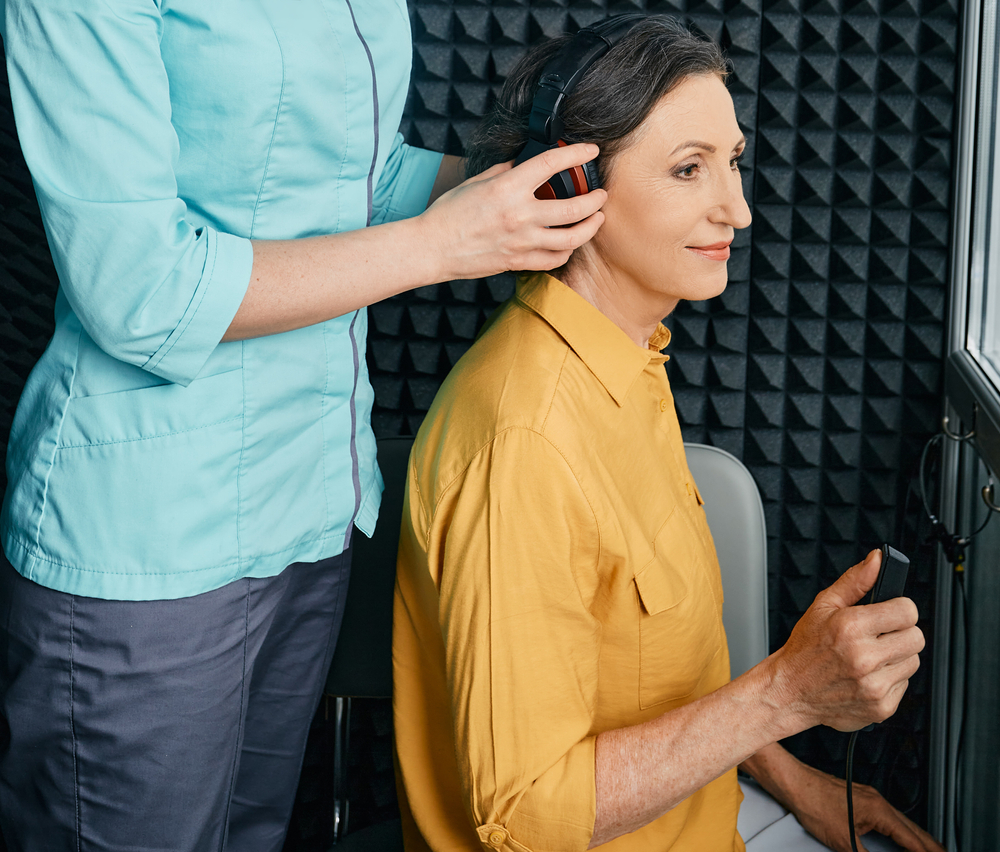
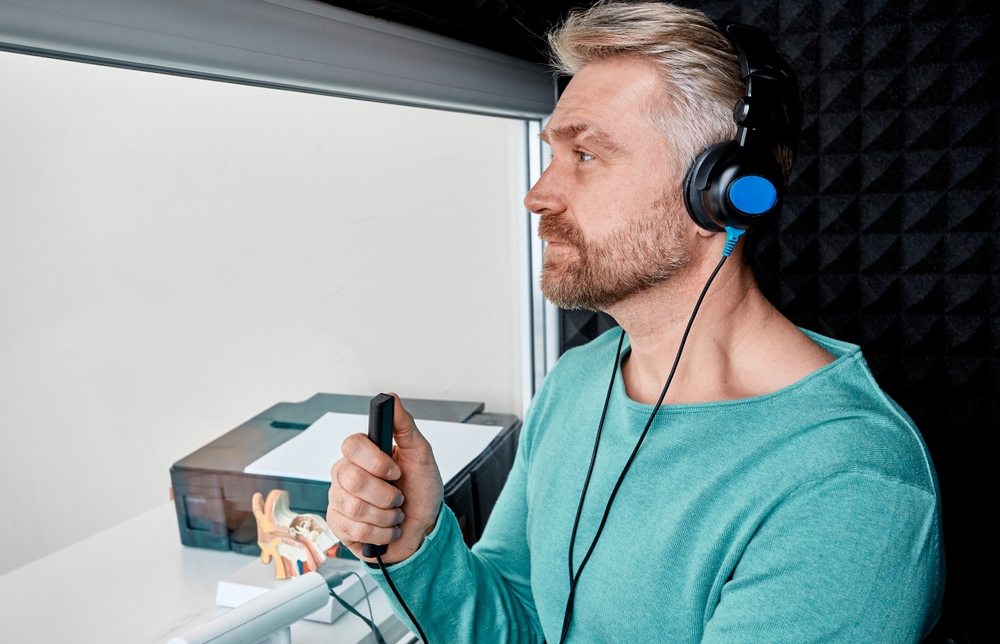
- Make an appointment with a hearing specialist: This is the most important, the easiest thing you can do to help your hearing. A hearing specialist will be able to help you determine the extent of your hearing loss and the best way to move forward with treatment.
- Don’t be a human hearing aid: Repeating this and that for your significant other might feel like you’re being helpful. But you’re not. Instead, you’re delaying the kind of treatment that can actually solve the problem. Rather than enable your significant other’s ability to ignore their hearing problems, you want to encourage them to face reality (kindly, of course).
- Offer helpful reminders: Getting used to a new pair of hearing aids can be a challenge at first. You have to remember to wear them, first of all. Second, you have to get into the habit of charging them or replacing the batteries. Helpful reminders can help you build good habits. Hearing aids also have a transition period where you get used to hearing sounds again. It’s important that you wear your hearing aids during this period to make the full adjustment….and a gentle reminder to do that is not a bad thing.
- Talk up those hearing aids: Hearing aids are incredible technological devices, marvels of modern engineering. Talk about them like that! Each hearing aid is jam-packed with amazing technology that helps you hear voices with more clarity or connects to your smartphone or counts your steps. They’re so much more these days than just hearing devices (though they are that, too).
- Try not to take anything personally: It’s easy to get a little heated during these situations or to get frustrated. For some people, there’s a stigma to getting hearing aids and they just don’t want to face that reality. They’ll come around, though, especially when they realize that hearing loss is on the rise across all age groups (it’s not an “old person” thing) and that hearing aids can help them restore their quality of life.
Remember, you’re a team
As you go on your own hearing loss journey–screenings, treatment, hearing aids, and so on–it’s important to remember that you and your significant other are a team. You can each support each other through what can be a challenging transition.
Of course, it all starts with getting your hearing checked in the first place. Once that happens, everything else can start to click into place.