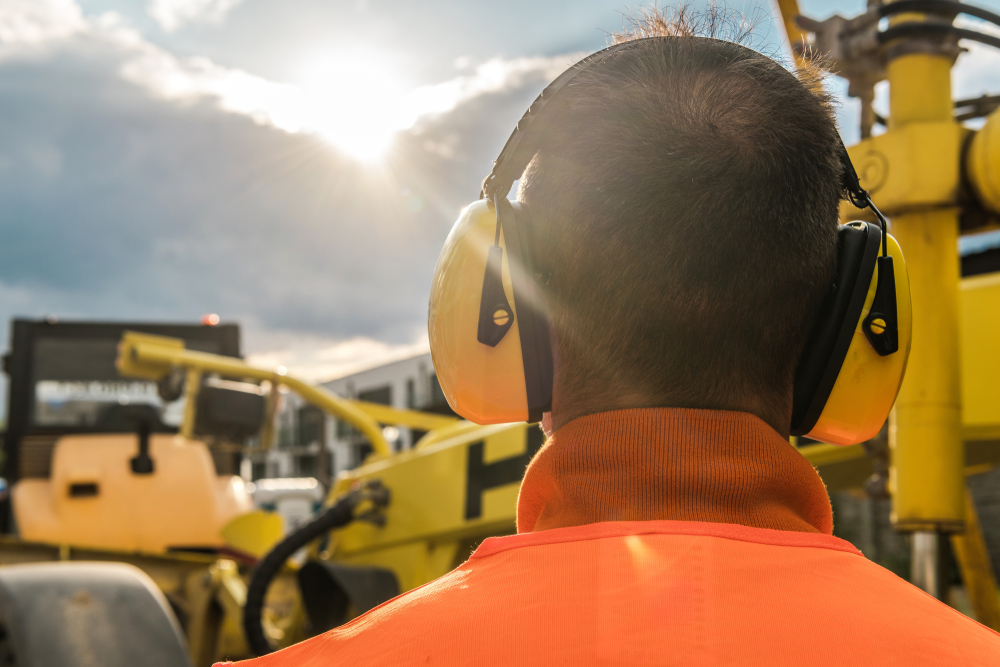
Recent studies have found that millions of people ignore warning signs when it comes to their hearing. Part of the problem is knowledge. Fear of things like sharks, severe weather, and accidents are rather intrusive. Whereas with lesser feared issues like hearing loss, how do you know how loud is too loud?
Loud sounds in our everyday lives
It’s not just the rock concerts or the machine shop floors that present dangers to your ears (although both of those venues are, indeed, hazardous to your hearing). Many every-day sounds are potentially hazardous.
It’s not just the volume of a sound that presents a danger; it’s also the duration. Even low-level sounds, like dense city traffic, can be harmful to your ears when experienced for more than two hours.
When does loud become too loud?
In general, here’s a rough outline of when loud becomes too loud:
- 30-60 dB: This is the volume level you would expect of normal conversation. You should be just fine around this level for an indefinite period.
- 80 – 85 dB: This is the sound level of heavy traffic, a lawnmower, or an air conditioning unit. This level of sound will usually become dangerous after two hours of exposure.
- 90 – 95 dB: Think of the noisiness of a motorcycle. This level of exposure becomes dangerous in as little as 50 minutes of exposure.
- 100 dB: This is the amount of sound you might experience from a mid-size sporting event or an oncoming subway train (depending on the city, of course). This level of sound can become dangerous after 15 minutes of exposure.
- 110 dB: Have you ever turned your Spotify music up to max volume? That’s usually around this sound level on most smartphones. This level of exposure becomes dangerous after only 5 minutes of exposure.
- 120 dB and over: Anything over 120 dB (think loud rock concerts or exceptionally large sporting events) can produce immediate damage and pain in your ears.
The danger zone
In general, anything at or above 85 dB poses a risk to your ears, but gauging this level isn’t always as straightforward as identifying a tangible threat like a shark. This ambiguity often leads to neglecting hearing warnings, especially when the sound isn’t overtly painful.
Solutions include implementing clear signage and training in workplaces to underscore the risks of hearing loss and the importance of protection, or utilizing sound level monitoring apps to develop awareness of potential dangers in your surroundings.
Protecting your ears from loud sounds
No application or sign can claim absolute perfection. Hence, when uncertain, make it a priority to safeguard your ears.
Prolonged exposure to excessive noise is likely to result in hearing issues, and in the current era, it’s exceptionally simple to unintentionally damage your ears—just turning your headphone volume slightly too high can cause damage.
For those who use headphones throughout the day, it’s advisable to refrain from increasing the volume beyond the midpoint. If you continually adjust the volume to drown out background noise, it may be time to consider switching to headphones designed to effectively block external sounds.
This emphasizes the increasing importance of recognizing when loud becomes too loud. Protecting your ears—whether through earplugs, earmuffs, or limiting exposure—is a straightforward process, but the key lies in knowing when to implement these precautions.
Find a hearing specialist near you to schedule a hearing test or if you have been experiencing hearing loss.