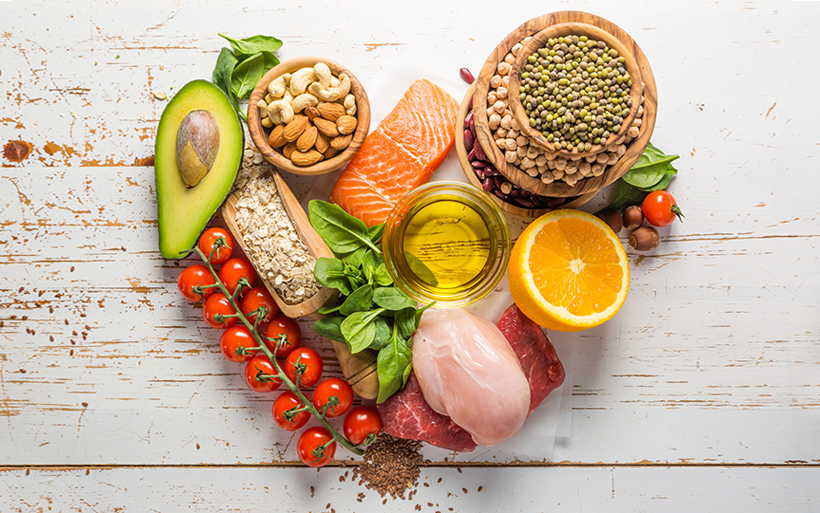
When it comes to protecting your hearing through a better diet, it’s best to eat foods that contain the following minerals. A healthy diet can help prevent hearing loss. Eating foods that keep your ears functioning properly will help reduce your risk of developing hearing loss in the future.
Potassium
Potassium helps regulate the fluid which is critical to the proper functioning of your inner ear. As we age, these fluid levels tend to drop, so eating foods high in potassium can combat this natural occurence.
Healthy foods high in potassium include:
- Potatoes
- Spinach
- Bananas
- Tomatoes
- Lima Beans
- Raisins
- Melons
- Yogurt
Folic acid
Folic acid aids the body in generating new cell growth and helps increase circulation, which helps maintain healthy hair cells, or cilia, in the inner ear. These hair cells carry sound, and once you lose them, they never grow back.
The following foods have high levels of folic acid which protect the inner ear’s hair cells:
- Fortified breakfast cereals
- Spinach
- Broccoli
- Liver
- Asparagus
Magnesium
Magnesium – in conjunction with vitamins A, C, and E – has been shown to help protect against high noise levels which cause damage to the inner ears. While further research is needed, scientists suspect magnesium helps form a barrier that protects the inner ear’s sensitive hair cells. Conversely, a lack of magnesium is linked to shrinking blood vessels in the inner ear, which can lower oxygen levels and cause damage.
The following foods are high in magnesium:
- Bananas
- Artichokes
- Potatoes
- Spinach
- Broccoli
Zinc
Zinc boosts the body’s immune system and contributes to cell growth, which can be beneficial to your ears. Before you increase your intake of zinc, be sure to check with a specialist to make sure it won’t interact negatively with your current medications.
Zinc supplements can make you feel nauseous, so it’s best to eat foods that are naturally high in zinc, including:
- Beef, pork, and dark-meat Chicken
- Cashews, almonds, peanuts
- Dark chocolate
- Beans
- Oysters
- Lentils
- Split peas
Omega 3 fatty acids
Its been said in several studies that Omega 3 fatty acids can help reduce blood pressure. Healthy blood pressure can help your hearing by protecting the cochleae in your ears and can help prevent hearing loss. While more research is needed, there is evidence Omega 3 fatty acids also help with cognitive function, which will help ensure the signals between the ear and brain continue to flow unhindered.
Foods naturally high in Omega 3 fatty acids include:
- Flaxseed oil
- Krill oil
- Salmon
- Soybean oil
- Sardines
It’s important to do everything you can to protect your hearing. It becomes easier when you fill your plate with delicious foods that contain healthy minerals. By eating these foods, you are protecting the sensitive inner workings of your ears.