


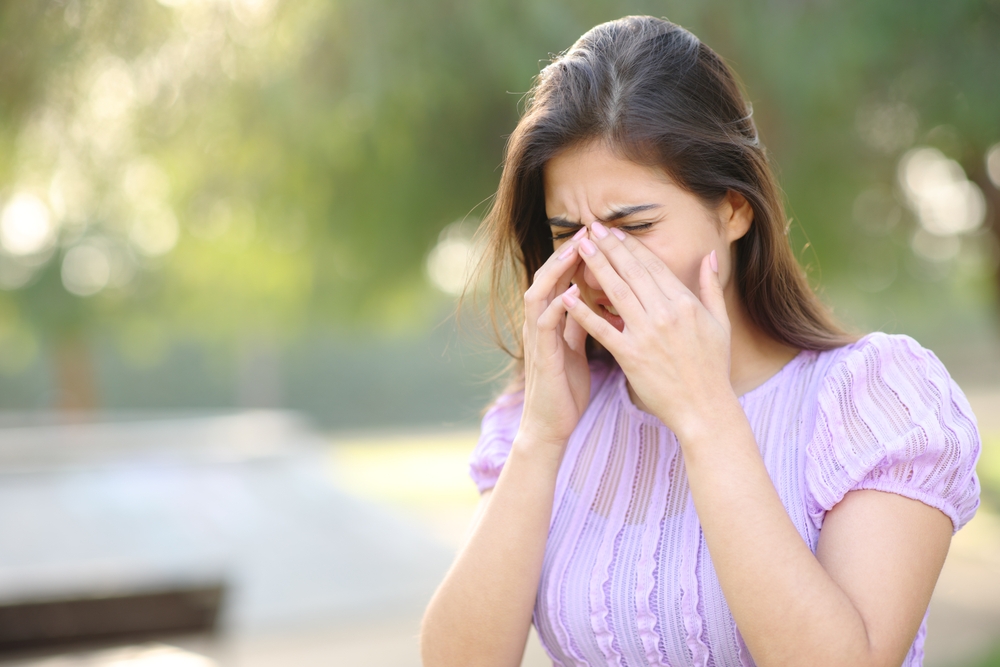
Seasonal allergies, often triggered by the changing seasons, can make spring and summer more challenging for many. As nature awakens, so does an onslaught of pollen, mold, and other allergens that provoke symptoms like sneezing, itchy eyes, and congestion. Whether you’re dealing with these allergies for the first time or have been managing them for years, understanding the root causes and symptoms is essential to alleviating discomfort.
In this article, we will explore the common triggers of seasonal allergies, how the environment plays a role, and the best treatment options to find relief.
What are the common symptoms of seasonal allergies?
Seasonal allergies typically emerge during certain times of the year, most notably in spring, but can also persist into summer and fall. The primary symptoms of spring allergies include:
- Itchy, Watery Eyes: One of the most common signs of an allergic reaction.
- Sneezing and Nasal Congestion: Often accompanied by a runny nose and sinus pressure.
- Sinus Pressure: Swelling in the sinuses can lead to headaches and facial pain.
- Fatigue: Persistent allergy symptoms can leave you feeling drained and tired.
- Coughing and Throat Irritation: Some allergens also irritate the throat, leading to discomfort.
Understanding these symptoms is the first step in recognizing the signs of seasonal allergies. However, these reactions are triggered by specific allergens found in the environment.
The environmental impact of seasonal allergies
Your local climate and geography greatly influence the severity and duration of allergy symptoms. For example, the types of plants and trees that grow in your area can determine which allergens are more prevalent.
What are the key environmental factors that affect allergies?
- Mild Winters: When winters are warmer, plants begin pollinating earlier in the spring, releasing pollen into the air sooner.
- Rainy Springs: Heavy rainfall promotes plant growth, but it also increases mold production, which can aggravate allergies.
- Windy Days: Pollen is easily carried through the air on windy days, especially in the morning when pollen levels are highest.
- Ragweed: Ragweed is one of the most common sources of fall allergies, especially along the East Coast and Midwest.
- Mold and Mildew: Humid climates can lead to increased mold growth, which is a significant allergen during damp weather.
Recognizing the environmental conditions that trigger your allergies is a vital part of managing them effectively. For instance, if you live in a region with lots of trees or are sensitive to mold, your exposure to these allergens may peak during certain seasons, exacerbating your symptoms.
The role of your immune system in seasonal allergies
Seasonal allergies occur when your immune system mistakenly identifies harmless substances, such as pollen or mold, as threats. In response, your immune system releases histamines and other chemicals that trigger allergic reactions. These reactions can affect various parts of your body, including your:
- Nasal passages and sinuses (causing congestion and pressure)
- Eyes (causing itchiness and watering)
- Throat and lungs (leading to coughing and wheezing)
- Skin (causing rashes or hives)
Your body’s immune response is triggered by allergens that become more prevalent during specific seasons. While this may be frustrating, understanding this process helps explain why your allergy symptoms flare up at certain times of the year.
Lesser-known seasonal allergy triggers
While pollen and mold are the most common triggers for seasonal allergies, other factors can also contribute to allergic reactions. These may include:
- Smoke: Whether from campfires in the summer or wood stoves in the winter, smoke can irritate the airways and worsen allergy symptoms.
- Insect Bites: Some people experience allergic reactions to the bites of mosquitoes, bees, or other insects during warmer months.
- Chlorine in Swimming Pools: The chemicals used to clean swimming pools can trigger skin irritation or respiratory issues for some allergy sufferers.
- Holiday Decorations: Pine trees, wreaths, and other holiday decorations can introduce new allergens into your home, especially during the winter months.
What are effective treatment options for seasonal allergies?
Although it may seem impossible to avoid allergens entirely, there are several treatments available to manage and alleviate allergy symptoms effectively:
- Over-the-Counter Medications: Antihistamines, decongestants, and nasal sprays are commonly used to relieve symptoms like sneezing and congestion.
- Prescription Medications: For more severe symptoms, your doctor may prescribe stronger medications, such as nasal corticosteroids or oral antihistamines.
- Allergy Shots (Immunotherapy): For long-term relief, immunotherapy may be an option. This treatment involves receiving regular injections that gradually desensitize your immune system to specific allergens.
- Allergen Avoidance: Taking steps to limit exposure to known allergens, such as staying indoors on high-pollen days or using air purifiers, can significantly reduce symptoms.
Finding the right treatment plan for your allergies may take time, but with the right approach, you can gain control over your symptoms and improve your quality of life.
When to consult an ENT specialist for seasonal allergy relief
If your seasonal allergies are affecting your daily life, it’s essential to consult with an ENT (Ear, Nose, and Throat) specialist. An ENT can help identify the specific allergens that trigger your symptoms and develop a personalized treatment plan tailored to your needs. They can also provide insights into how your immune system is reacting and recommend the most effective interventions to help you breathe easier and enjoy the seasons without discomfort.
Don’t let seasonal allergies keep you from enjoying the beautiful spring and summer months. Find an ENT specialist near you and take the first step toward conquering your allergies.