

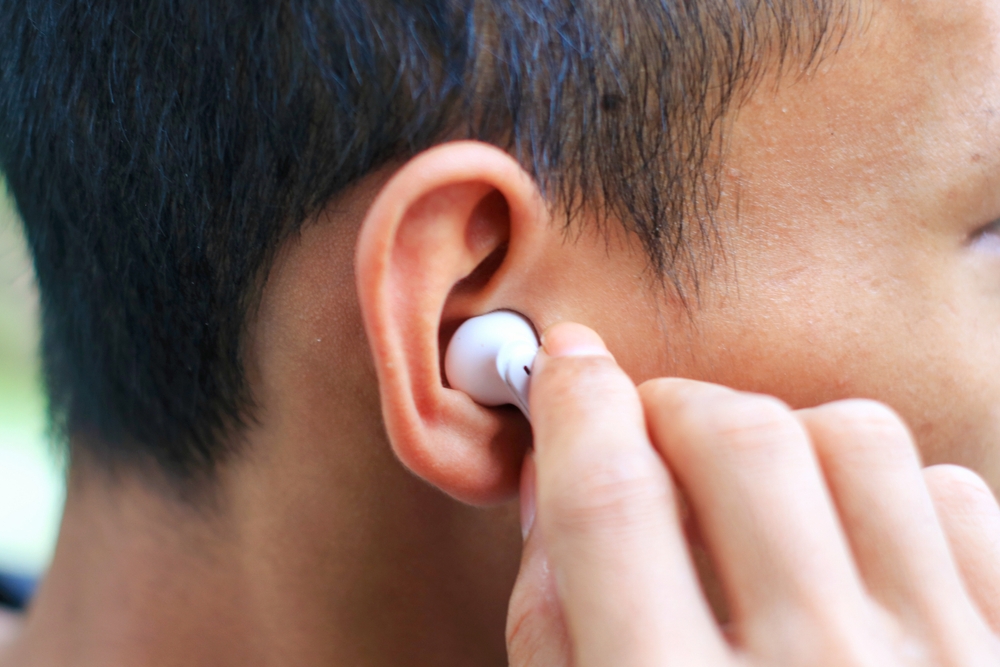

In modern public spaces, the sight of a young person without some form of in-ear audio is rare. Headphones are a bit more cumbersome, but teens still find them a way to escape from their surroundings. While acoustic enjoyment is universal across all ages, the youth population often utilizes music as a primary tool for time management. Does the immediate physical closeness of these transducers to our ears result in measurable hearing loss? The danger is not inherent to the technology but is instead a product of specific usage habits.
Too Much of a Good Thing
Acoustic stimuli can act as a sedative, an emotional balm, or a powerful stimulant depending on the tempo. The outcome is entirely dependent on the genre and frequency of the audio. Employing in-ear monitors is an effective method for maintaining acoustic privacy in public environments. That’s a positive thing, and most people will tell you that they are grateful and prefer that on a train or bus.
The real questions are: how loud is too loud, and how long is too long? It is well-established that loud noise, regardless of the source, can compromise your long-term hearing sensitivity. Combining high-intensity sound with extended exposure times can lead to permanent sensorineural damage. Because auditory decline is often a slow, cumulative process, the damage is frequently advanced before symptoms are noticed.
Identifying the Critical Risks of Personal Audio
High volume stands as the most significant threat to the preservation of hearing sensitivity. Nevertheless, the timeframe of the sound exposure is just as critical a factor as the intensity itself.
- According to the NIH, maintaining a threshold below 70 dB ensures safety, even during extended listening periods.
- High-intensity sound waves cause cellular damage in a fraction of the time required by moderate sounds.
- Audiologists recommend the 60/60 rule: stay below 60% of max volume and limit sessions to one hour.
- You can safeguard your auditory health by reducing device intensity and monitoring your cumulative daily usage.
Recognizing the Symptoms of Auditory Damage
Experiencing aural fullness, persistent **tinnitus**, or difficulty deciphering dialogue in crowds suggests it is time for a clinical hearing test.
Contact our office today if you suspect you may have hearing loss.