

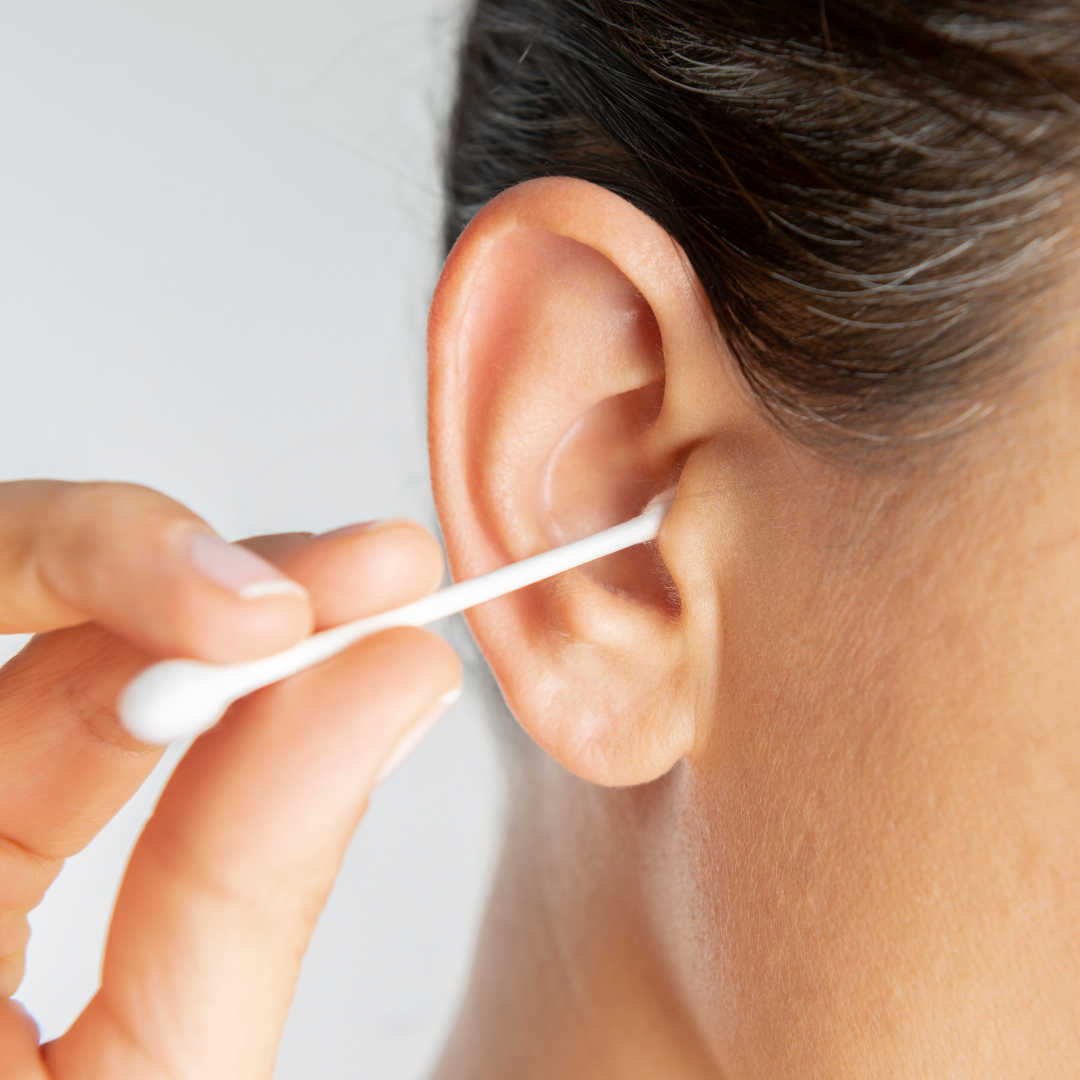

Cotton swabs may seem like convenient ear-cleaning tools, but inserting one into the ear canal can make cleaning harder over time and may damage your ears. We can determine whether earwax actually needs removal and recommend a method suited to your ear health. Routine manual hygiene is often unnecessary for ears; still, when excessive wax accumulates, we deliver safe and gentle removal solutions.
Understanding the Risks of Using Q-Tips in the Ear
Human earwax, formally designated as cerumen, is a functional secretion rather than unwanted dirt. It traps dust and debris, helps limit bacterial growth, lubricates the ear canal, and protects its sensitive skin. Jaw movement and normal skin migration gradually carry old wax toward the ear opening, where it flakes away or washes off during bathing.
Pushing a cotton applicator past the canal opening disrupts this natural physiological transport. Even though the applicator collects minor residue, it typically drives the bulk of cerumen directly toward the delicate eardrum. Chronic swab insertion frequently compresses cerumen into a dense impaction, triggering a sensation of aural fullness that invites improper cleaning cycles.
Cotton applicators are suitable for tracing the exterior folds of the ear, but they must remain entirely outside the canal opening.
How Cotton Swabs Cause Physical Trauma to the Ear
The skin lining the ear canal is thin and easily scratched. Minor physical scratches induce pain, trigger localized bleeding, and invite bacterial colonization, increasing outer ear infection rates. In addition, the cotton head can loosen and become retained as an obstructing foreign object in the ear.
Potential audiological complications include:
- Earwax pushed into a deeper impaction
- Localized scratches, severe irritation, tissue edema, or bleeding
- Localized microbial infection of the external canal
- Retained cotton tips or foreign debris inside the canal
- Ruptured, torn, or perforated tympanic membrane
- Injury to the tiny hearing bones behind the eardrum
- Temporary conductive loss or permanent auditory changes
- Tinnitus, dizziness, or severe ear pain
Though critical trauma is uncommon, an unexpected collision, a sudden slip, or overzealous penetration can cause extensive ear injury.
Recommended Schedules and Timelines for Cerumen Removal
Clinical extraction of earwax is not routinely required on a fixed schedule for most patients. Healthy ear physiology steadily propels wax toward the surface, where daily hygiene cleans the external ear. Frequent overcleaning creates dry, irritated canal surfaces while amplifying the risk of severe impaction or microbial invasion.
Professional removal is necessary when wax obstructs the canal, obscures our view of the tympanic membrane, hinders a hearing aid, or creates physical symptoms.
How to Address Earwax Safely at Home
If your earwax produces no noticeable complaints, leaving it alone is typically the safest protocol. Clean exclusively around the exterior auricle using a soft, moist cloth, letting the auditory canal clean itself naturally.
When dry wax demands pre-treatment, we often advise using an OTC cerumenolytic solution or drops composed of glycerin, mineral oil, carbamide peroxide, or saline. Ensure you use the exact recommended volume and follow the labeled duration instructions carefully. Discontinue administration immediately if the solution sparks pain, severe dizziness, skin rash, or worsening ear fullness.
At-home ear irrigation is not universally safe and requires clinical clearance and technique demonstration from an audiology professional beforehand. Under no circumstances should you ever use a pressurized dental oral irrigator in the ear. Avoid hazardous gadgets including ear candles, sharp metal loops, camera-assisted tools, hair clips, and home vacuum extractors. These hazardous instruments often cause cutaneous burns, sharp cuts, eardrum ruptures, or compounded cerumen impaction.
Recognizing When Earwax Requires Clinical Intervention
Arrange a consultation when aural fullness continues after drop therapy, wax is severely impacted, or home interventions prove ineffective. Professional removal is also preferable when a person cannot safely hold still, has a narrow ear canal, uses hearing aids, or has medical or surgical factors that make drops or irrigation risky.
Request an immediate diagnostic examination for:
- Sharp ear pain, chronic itching sensations, or localized tenderness
- Visible blood, purulent discharge, clear fluid drainage, or offensive ear odors
- Fever combined with visible swelling or redness around the ear
- The sudden appearance of tinnitus or true dizziness
- Sudden hearing drops or auditory deficits that remain after wax removal
- A possible eardrum perforation or cotton fragment trapped inside
- Frequent wax buildup that occludes or damages hearing aids
Sudden drops in hearing in a single ear require emergency medical attention rather than casual attribution to earwax. Prompt testing can distinguish a blockage from a time-sensitive inner-ear problem.
How Healthcare Providers Extract Impacted Earwax
Our clinical team begins by evaluating the ear canal using an otoscope or binocular microscope to confirm cerumen impaction and inspect for infection, trauma, or tympanic membrane perforations. Choosing the safest clinical protocol relies on cerumen firmness, individual canal anatomy, medical records, otologic surgical history, and patient tolerance.
Available professional techniques include:
- Therapeutic cerumenolytic solutions instilled before or during treatment
- Gentle, temperature-controlled fluid irrigation provided the tympanic membrane is intact
- Gentle suction under direct visualization
- Precision manual debridement using sterile ear curettes, loops, or specialized forceps
Visual guidance empowers the clinician to protect delicate canal skin and pause immediately if sensitivity is detected. Utilizing more than one removal technique may be necessary to resolve dry or severely compacted wax. Once the wax is cleared, we reexamine the ear to ensure the auditory canal and eardrum remain completely healthy. When symptoms like fullness, tinnitus, vertigo, or hearing loss continue, supplementary audiological assessments can uncover alternate conditions.
Contact Us for Safe Professional Earwax Removal
If your ears feel blocked or your hearing has changed, schedule an evaluation with us instead of reaching for a Q-Tip. The diagnostic session entails reviewing your symptom timeline, past otologic procedures, hearing aid usage, past home treatments, and risk factors for recurring cerumen. Contact us to request an earwax-removal appointment.